What Steps Can I Take If The Eyeliner Tattoo Healed Unevenly?

What steps can I take if the eyeliner tattoo hasn’t healed evenly? It’s a question I get asked all the time in my Melbourne cosmetic tattoo studio — and let me tell you, you’re definitely not the only one who’s been left wondering what’s gone wrong during eyeliner tattoo healing. Even a brilliant permanent eyeliner tattoo can reveal surprises during the healing process, especially because the eyelids are one of the trickiest areas in cosmetic tattooing.

As a cosmetic tattoo artist with nearly a decade of experience in permanent cosmetics, I’ve seen everything — from perfect first-pass healing to slightly patchy areas that simply need a colour boost at touch-up. The good news is that uneven eyeliner tattoo healing is almost always fixable when the right aftercare, timing, and colour correction strategy are used.

soft winged eyeliner

Why Healing Results Can Vary

Many clients arrive at Face Figurati Melbourne convinced they’ve done something wrong, but the reality is that the eyelid is anatomically challenging. Its thin skin, constant movement, and high sensitivity make it prone to uneven pigment retention, mild irritation, and early scab lifting during healing.

Factors that commonly contribute to patchy eyeliner tattoo healing include:

  • Oily eyelids that push pigment particles out faster
  • Rubbing or tearing eyes, especially during hay fever season
  • Sleeping on one side, restricting oxygen and circulation
  • Using active skincare ingredients like retinol, vitamin A, glycolic acid, or alpha hydroxy acids
  • Eyelash extensions or curlers used too early in healing

Uneven healing doesn’t automatically mean poor pigment application — it’s often just a reflection of how your skin regenerates.

What To Expect In The First 6 Weeks

Before assuming your cosmetic tattoo has failed, patience is essential. Eyeliner tattoos follow a predictable healing cycle, including the “ghosting phase” where pigment can appear to disappear entirely.

perfect winged eyeliner
WeekWhat’s HappeningWhat You’ll See
Week 1Swelling settlesDark line, bold intensity
Week 2Healing skin exfoliatesPatchiness, visible gaps
Week 3Pigment settles deeperLightness, mild distortion
Weeks 4–6Skin regeneration completesTrue healed colour

Most people panic during Weeks 2–3, but this phase is completely normal for permanent eyeliner healing.

When It’s Truly Uneven — My Professional Checklist

At the 6-week mark, I carefully assess:

  • Noticeable colour differences that persist
  • A patchy lash line lacking saturation
  • Wing asymmetry caused by eyelid anatomy
  • Premature scab loss leaving micro bald spots

This is when we discuss your eyeliner tattoo touch-up or perfecting session.

how to apply winged eyeliner

When You Should Avoid Touching It Up Too Soon

Rushing a correction is one of the fastest ways to create long-term problems:

  • Pigment distortion
  • Increased irritation
  • Colour imbalance that becomes difficult to correct

I don’t rework eyeliner before 6 weeks minimum. For mature or sensitive skin, waiting 8–10 weeks often produces better outcomes.
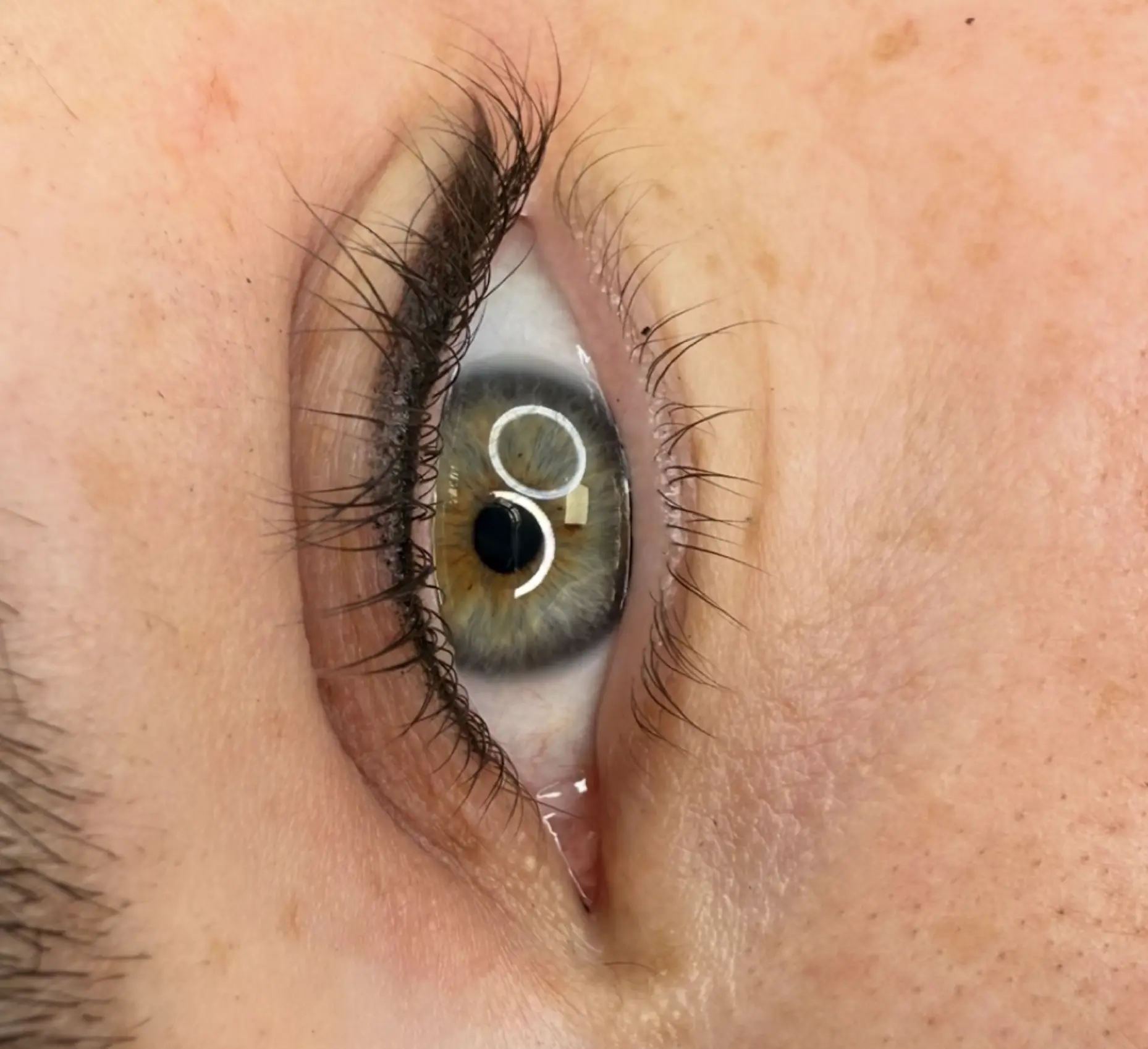
liquid eyeliner kmart

What You Can Do Right Now

If you’re feeling anxious during healing, here’s what I recommend:

  • Photograph your eyeliner in morning light for accurate assessment
  • Pause active skincare — no retinol, AHAs, glycolic acid, or vitamin A
  • Follow aftercare exactly — minimal ointment, clean skin only
  • Book a review so I can determine if time or correction is needed

What We Usually Fix During A Touch-Up

At your perfecting session, we commonly:

  • Fill pigment gaps with soft lash-line shading
  • Balance eyeliner wings affected by skin density
  • Adjust pigment tone to correct fading or distortion
  • Enhance lash density for more definition if suitable

This is where clients often notice the difference a structurally balanced winged eyeliner tattoo makes — especially when tailored to eyelid shape, lifestyle, and long-term wear.

Steps To Improve Healing Consistency

  1. Do not rub your eyes, even if crusting is present
  2. Avoid lash serums — they increase blood flow
  3. Keep acids and retinoids away from the eye area
  4. No moisture for 48 hours to protect pigment stability
  5. Shield from UV exposure to prevent pigment breakdown

Consistent aftercare dramatically improves healed eyeliner results.
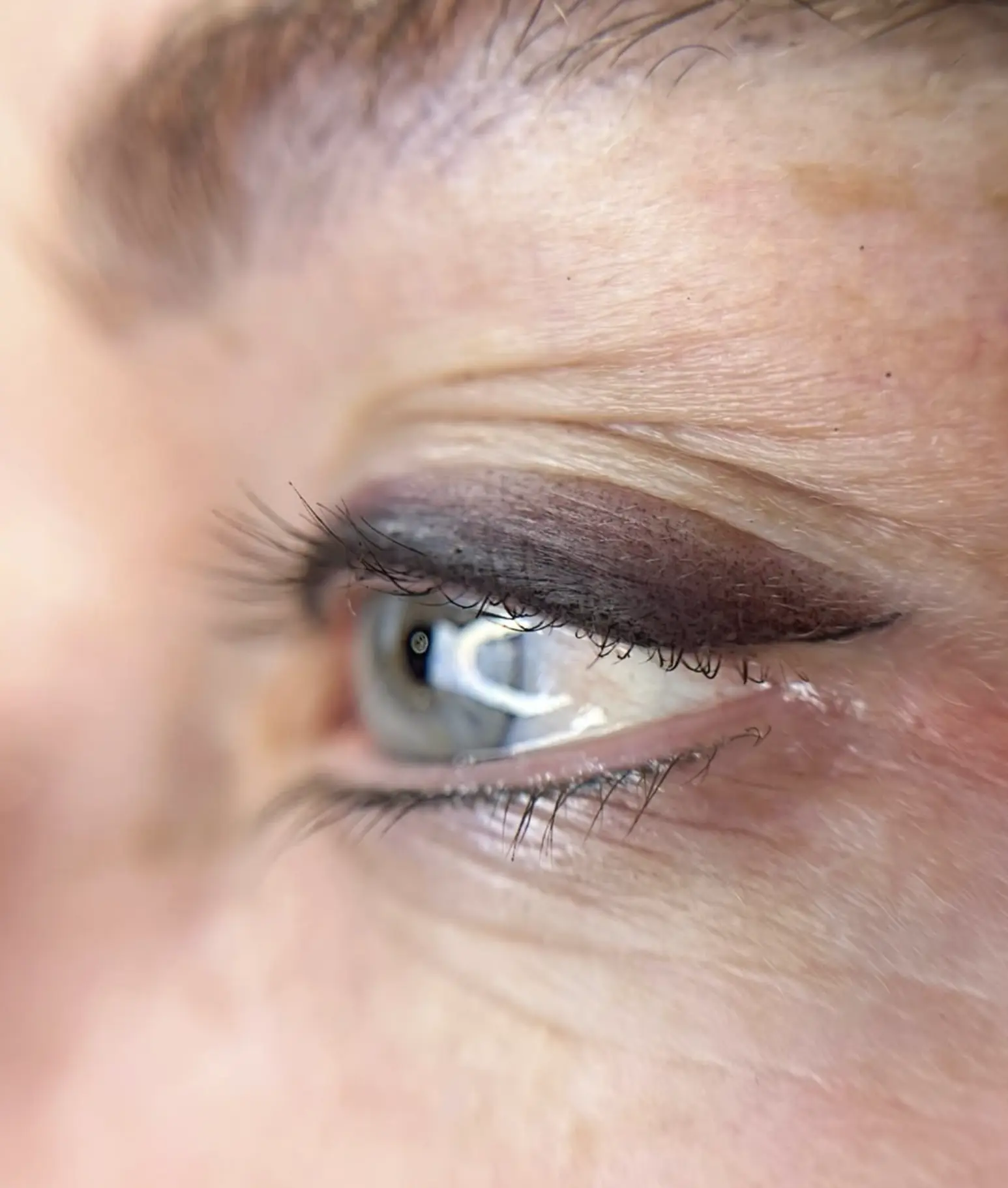
classic winged eyeliner

When Uneven Isn’t Fixable With A Touch-Up

In rare cases, we may need to lighten or remove old pigment first, including situations involving:

  • Pigment migration
  • Old body tattoo ink used near the eyes
  • Deep or outdated pigment placement

In these cases, I often recommend saline removal. Any laser work near the eyes must be performed by a trained medical professional due to the sensitivity of the area.

FAQ

Why does permanent eyeliner heal unevenly?

Because the eyelid is thin, mobile, and vascular. Oil production, lifestyle, and skin type all influence pigment retention.

Can allergic reactions affect healing?

Yes — especially from lash adhesives, serums, or cosmetics used too early.

Can uneven eyeliner be fixed with one touch-up?

Most of the time, yes. Rarely, a second session is required.

Can uneven pigment be removed?

Yes — via saline removal, laser treatment, or gradual lightening, depending on the case.
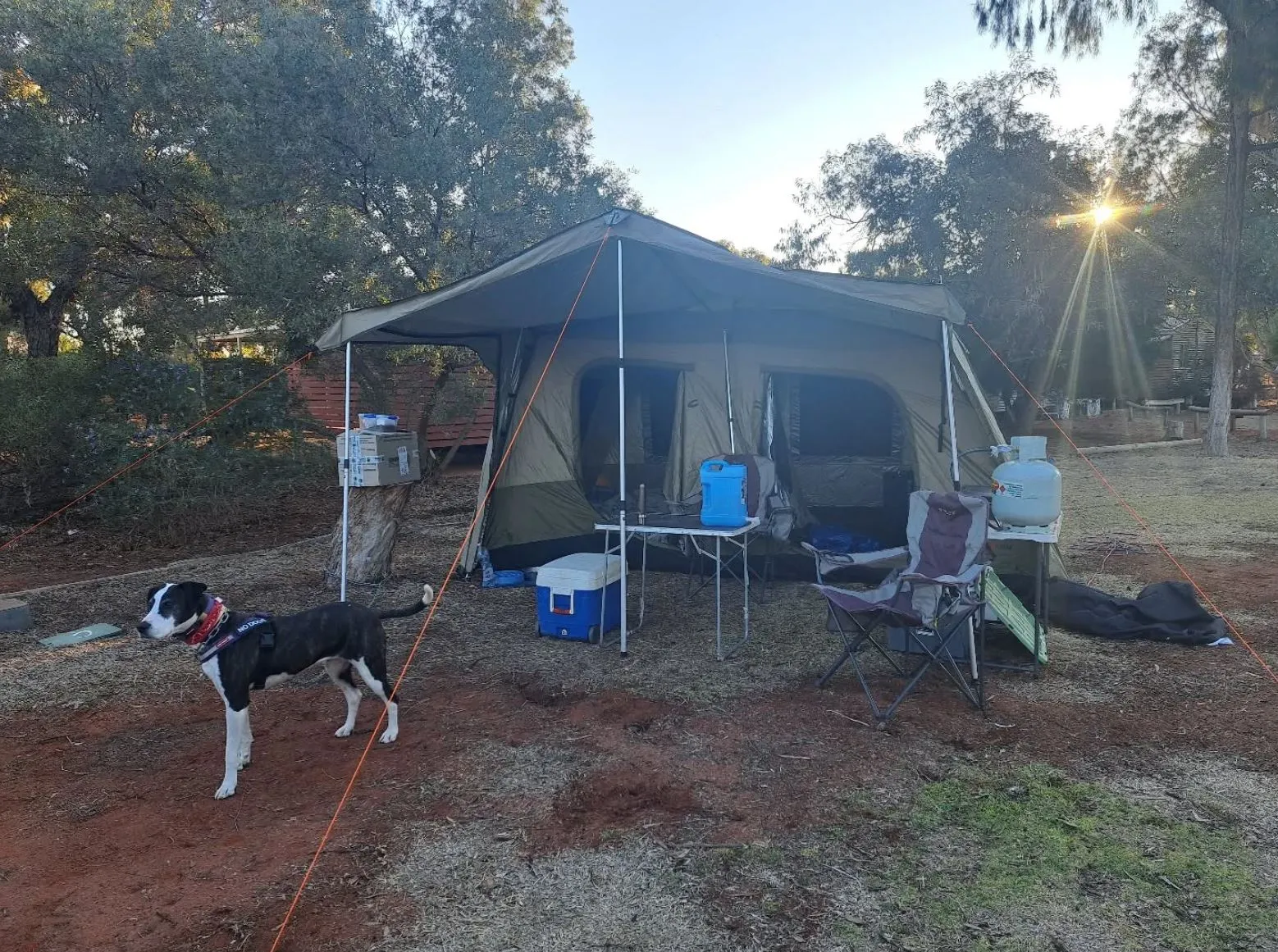
Can You Free Camp at Uluru?

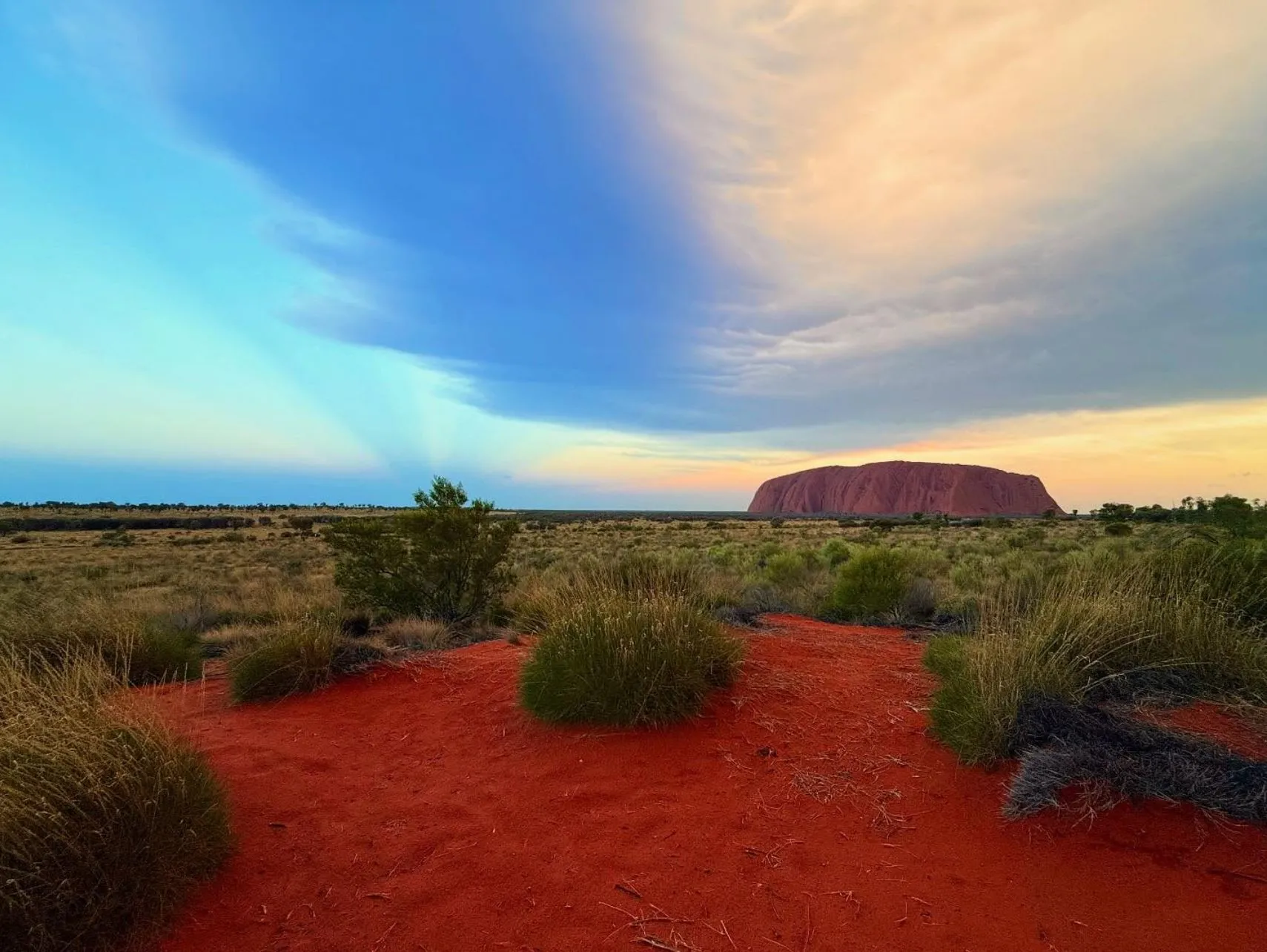
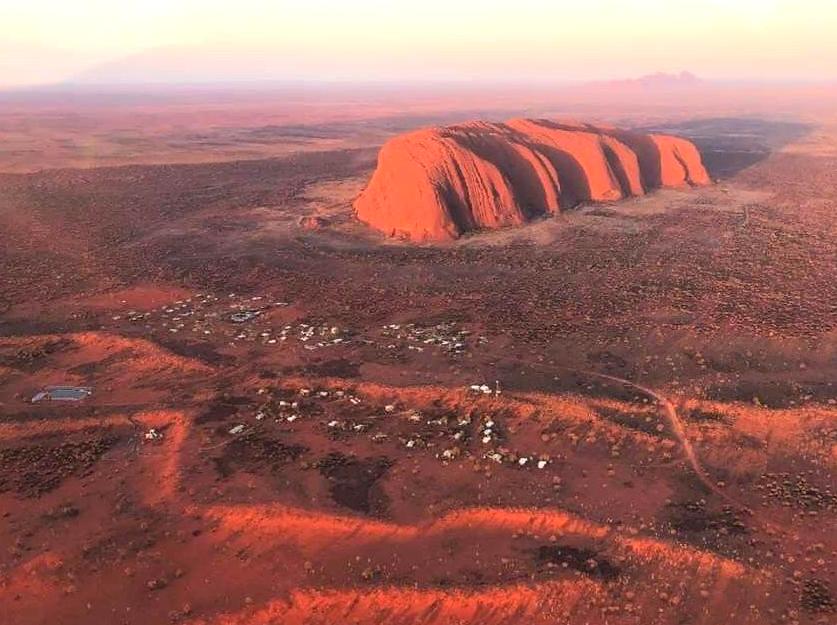
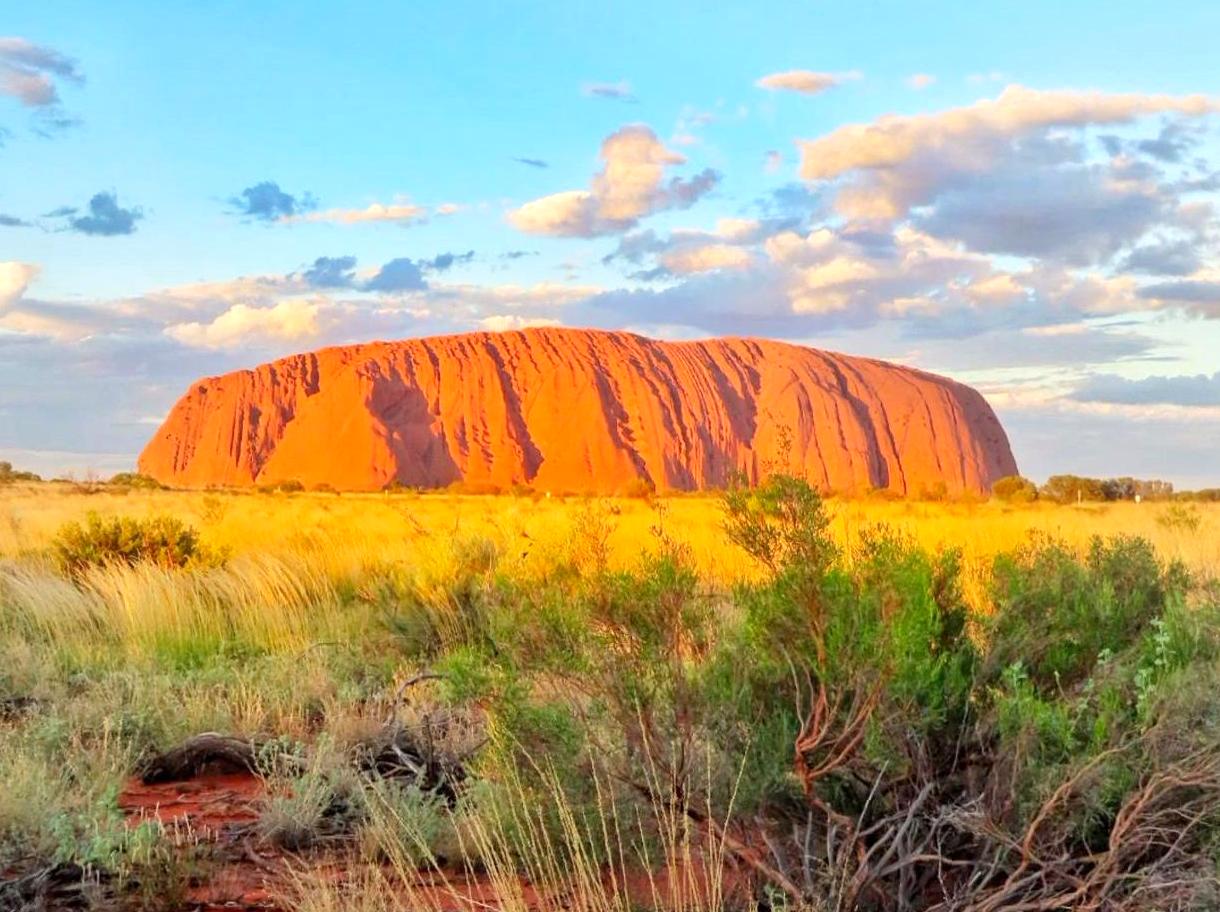
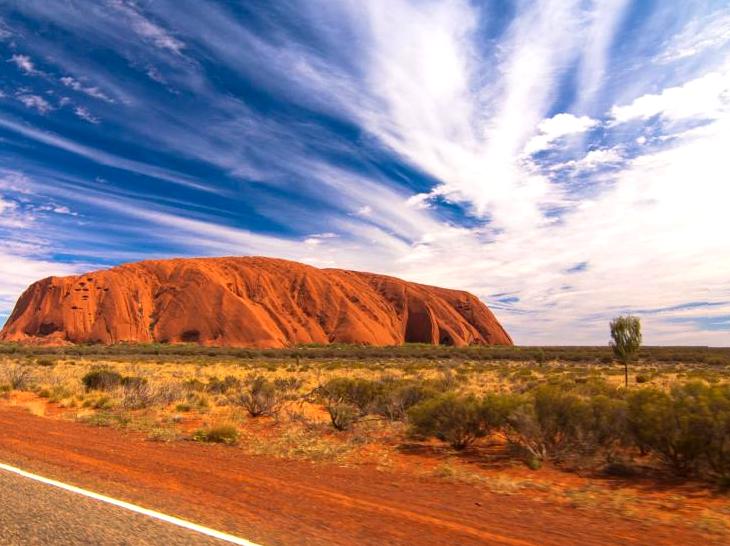
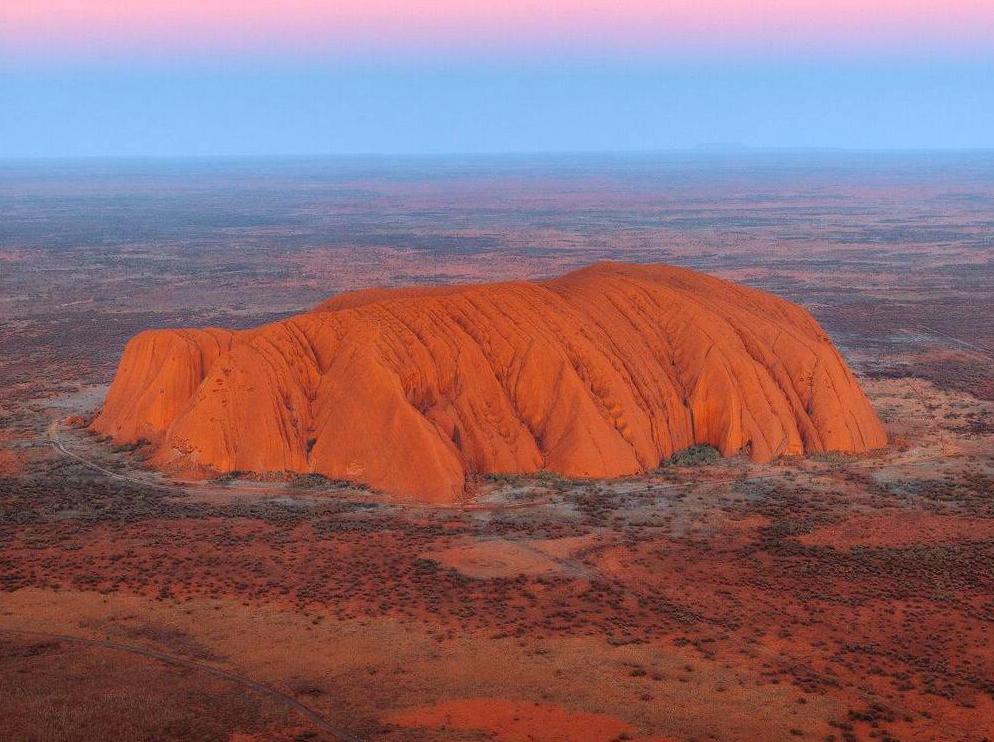
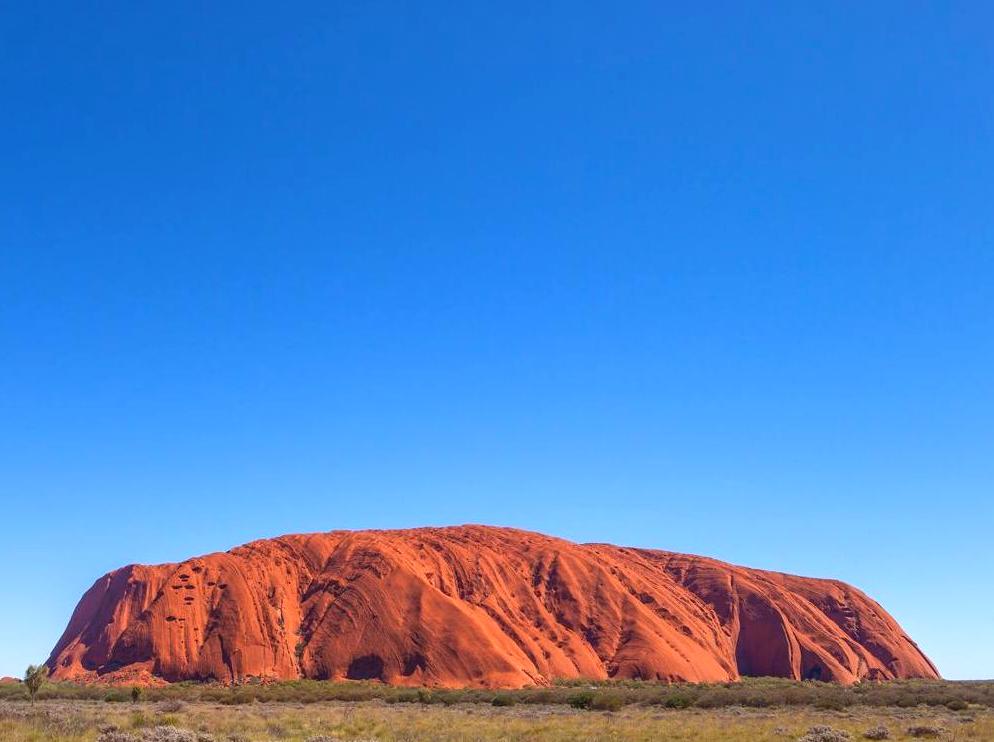
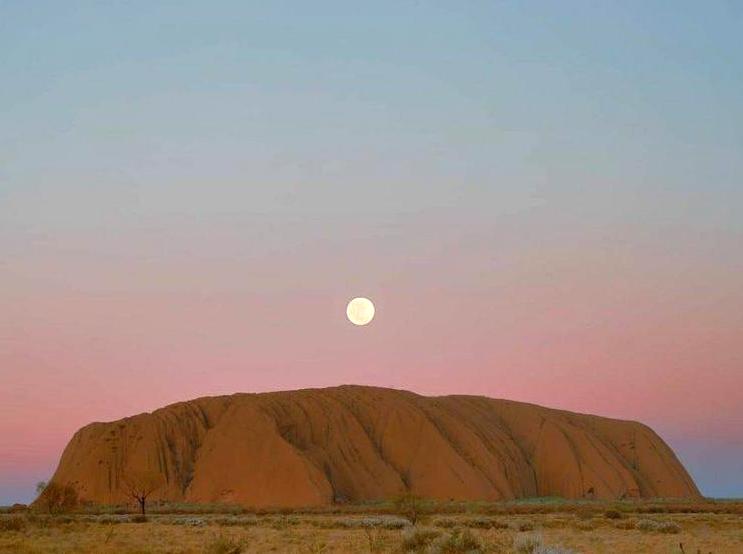
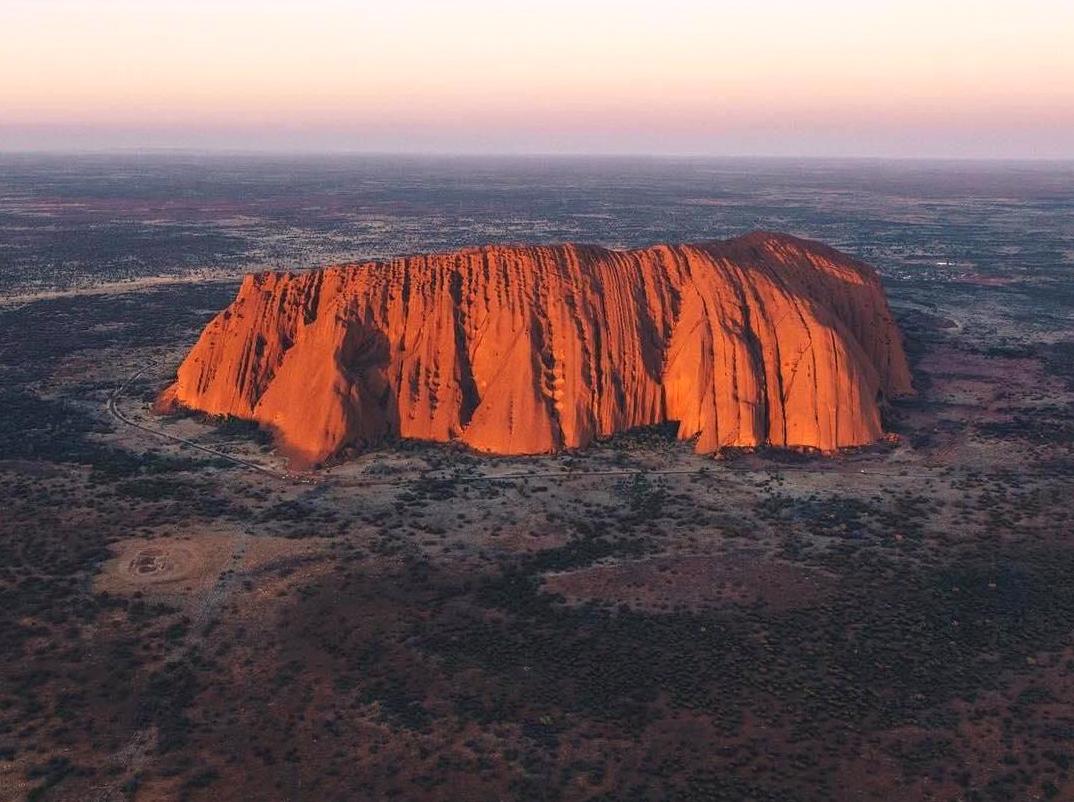
Uluru, also known as Ayers Rock, is one of Australia’s most amazing and culturally important landmarks. Every year thousands of travellers head to this remote part of the Northern Territory to see its natural beauty and experience the Red Centre. One of the most common questions among road trippers and campers is: Can you free camp at Uluru?

What You Need to Know

Uluru-Kata Tjuta National Park

No, you can’t free camp at Uluru or within Uluru-Kata Tjuta National Park. Free camping is not allowed due to environmental protection, cultural significance and national park regulations. The park is a UNESCO World Heritage site, managed jointly with the Anangu people and camping outside designated camping grounds or camping spots can result in fines.

Why Can’t I Free Camp?

Why Can’t I Free Camp

Uluru is not just a beautiful rock but a culturally important place for Indigenous Australians. Camping outside official camping areas can harm the desert environment and disrespect the Traditional Owners. All visitors must use designated camping areas which helps preserve the cultural and environmental integrity of the area.

Camping Options

Camping Options

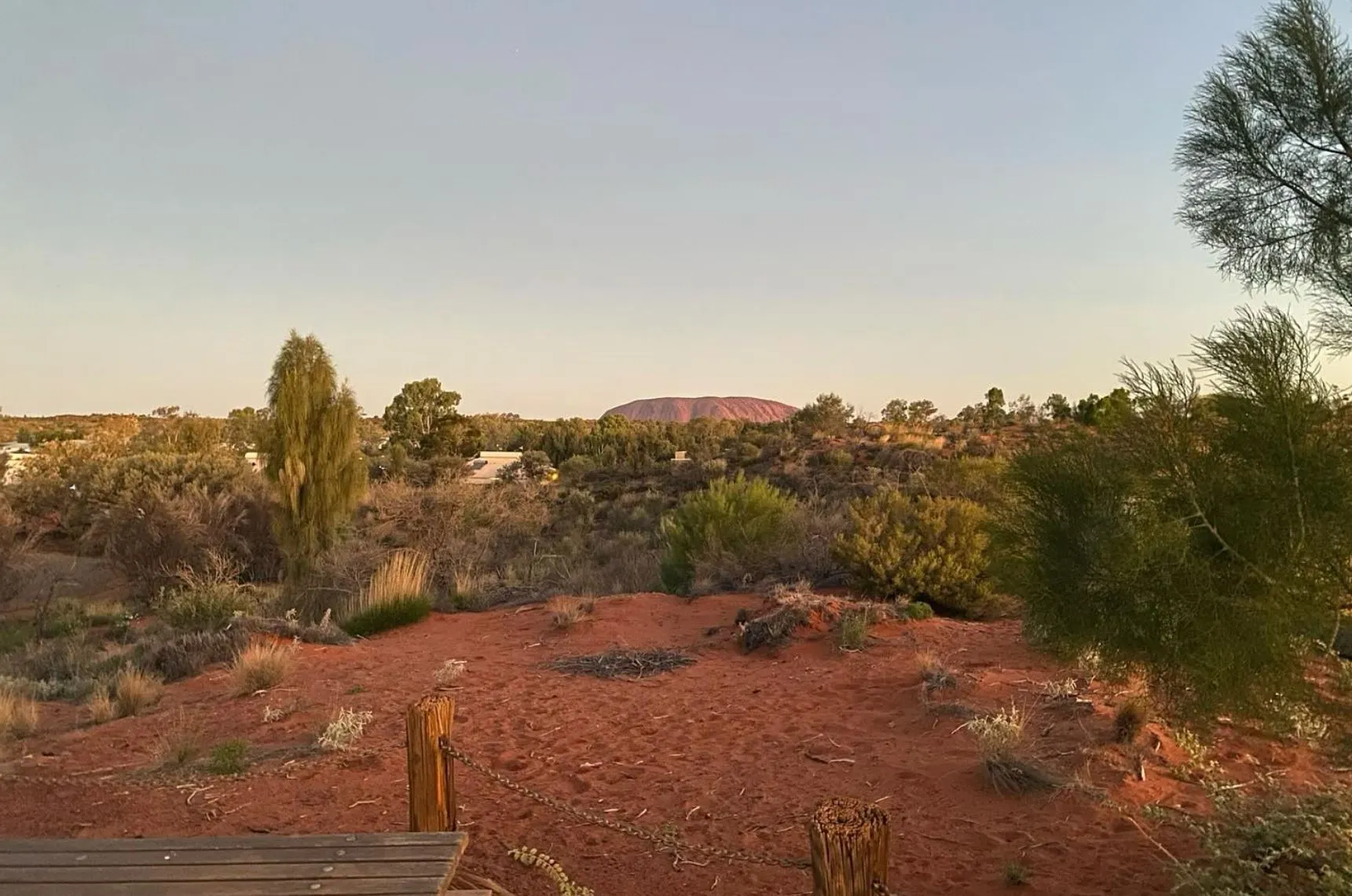
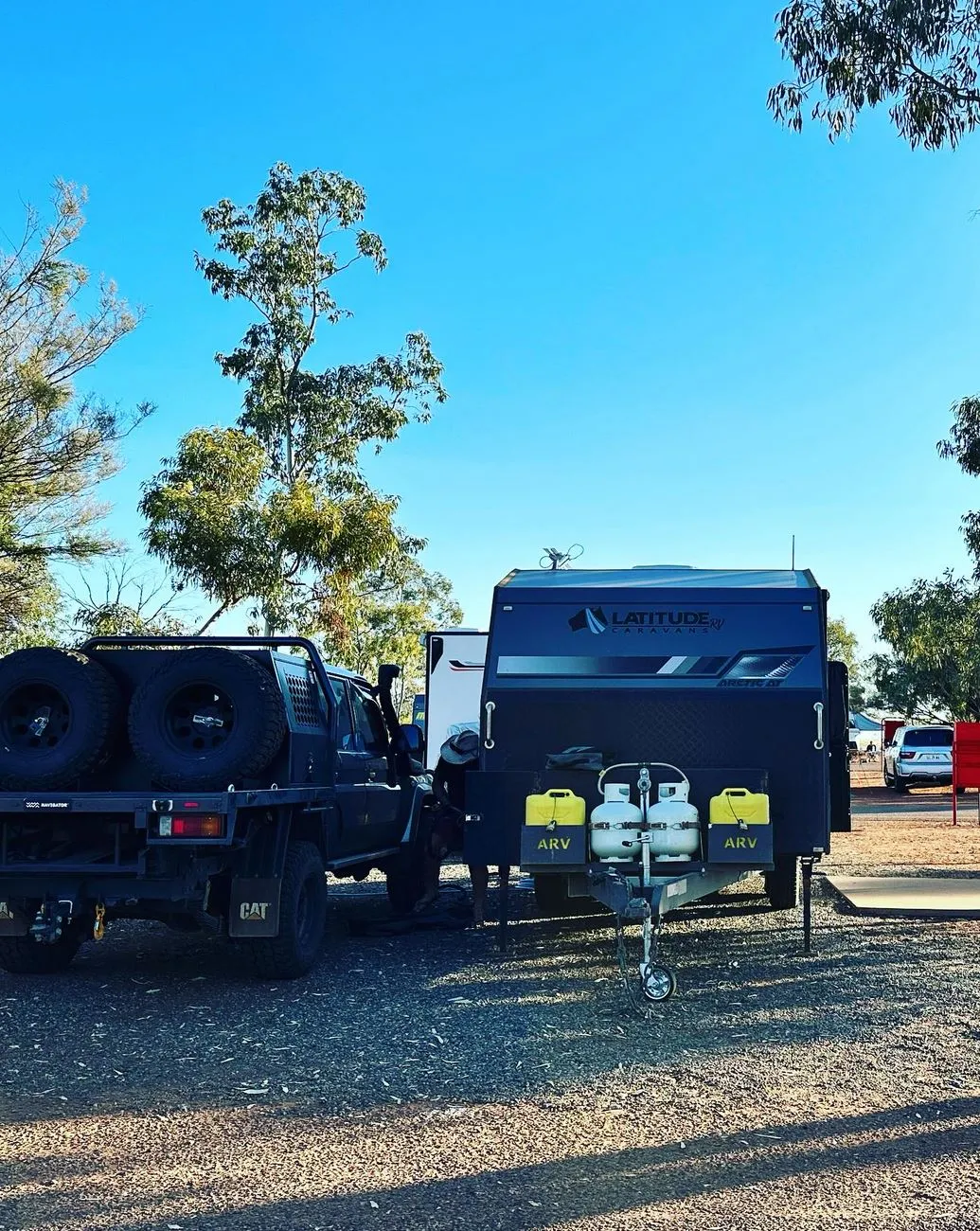
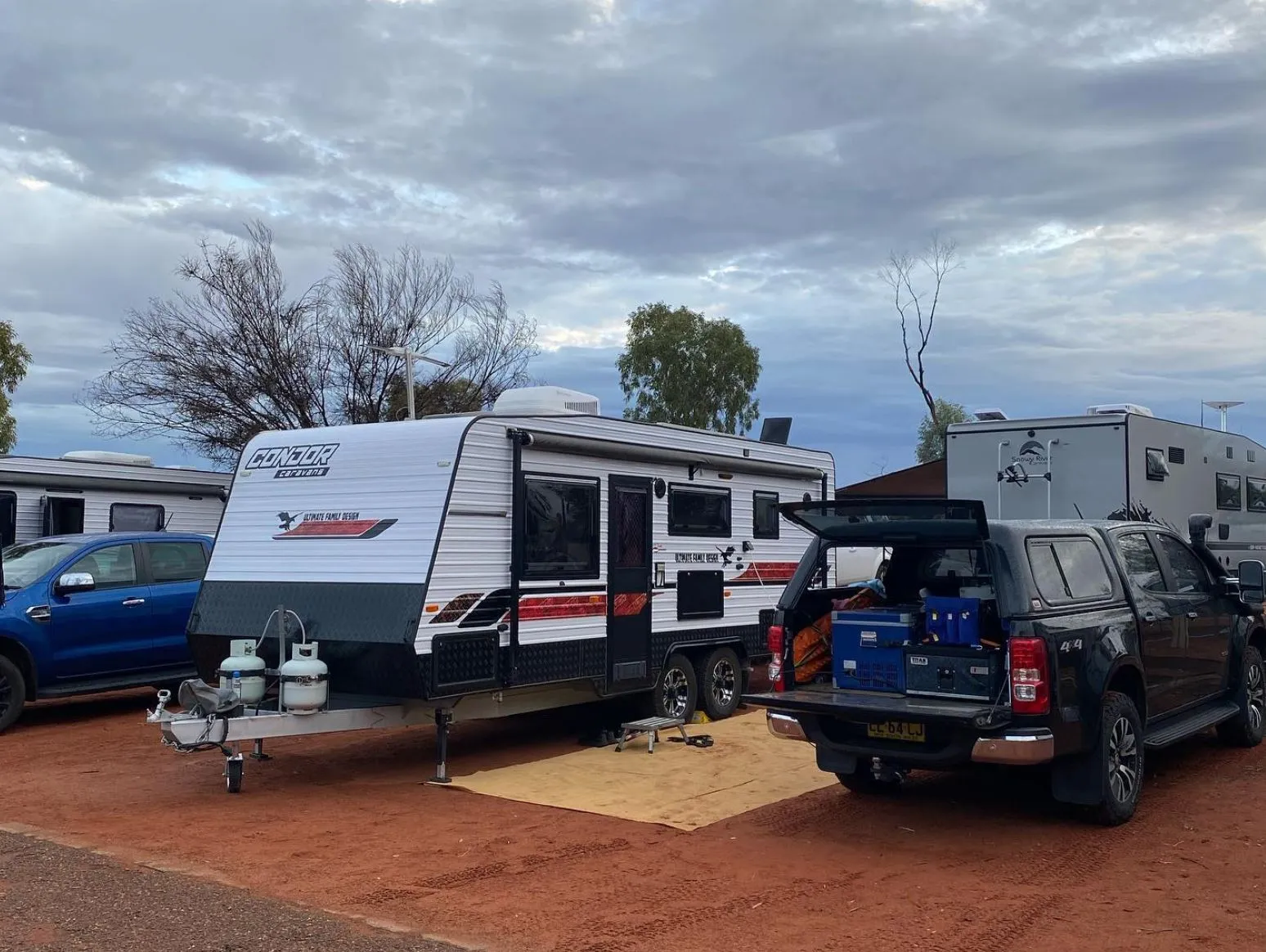
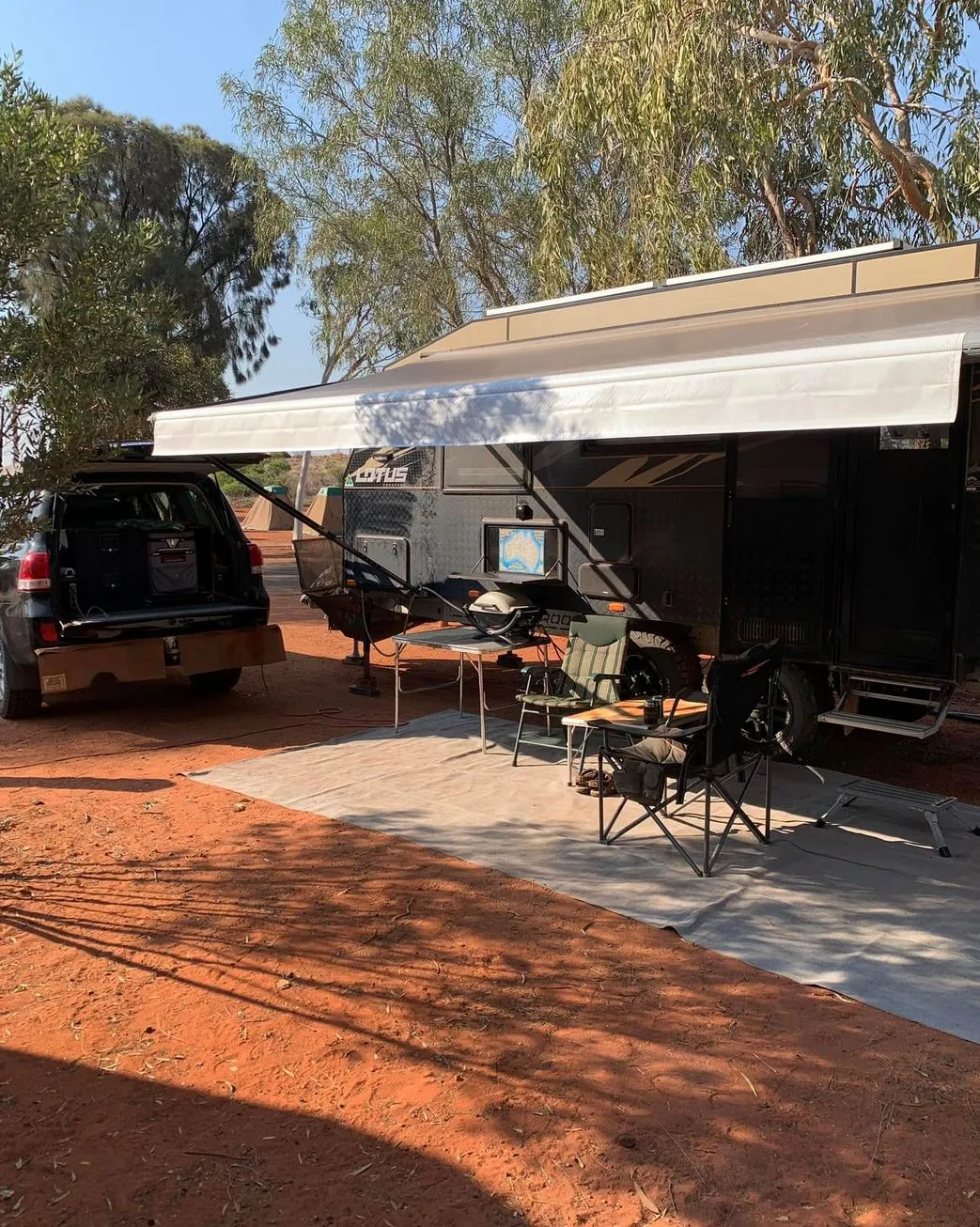
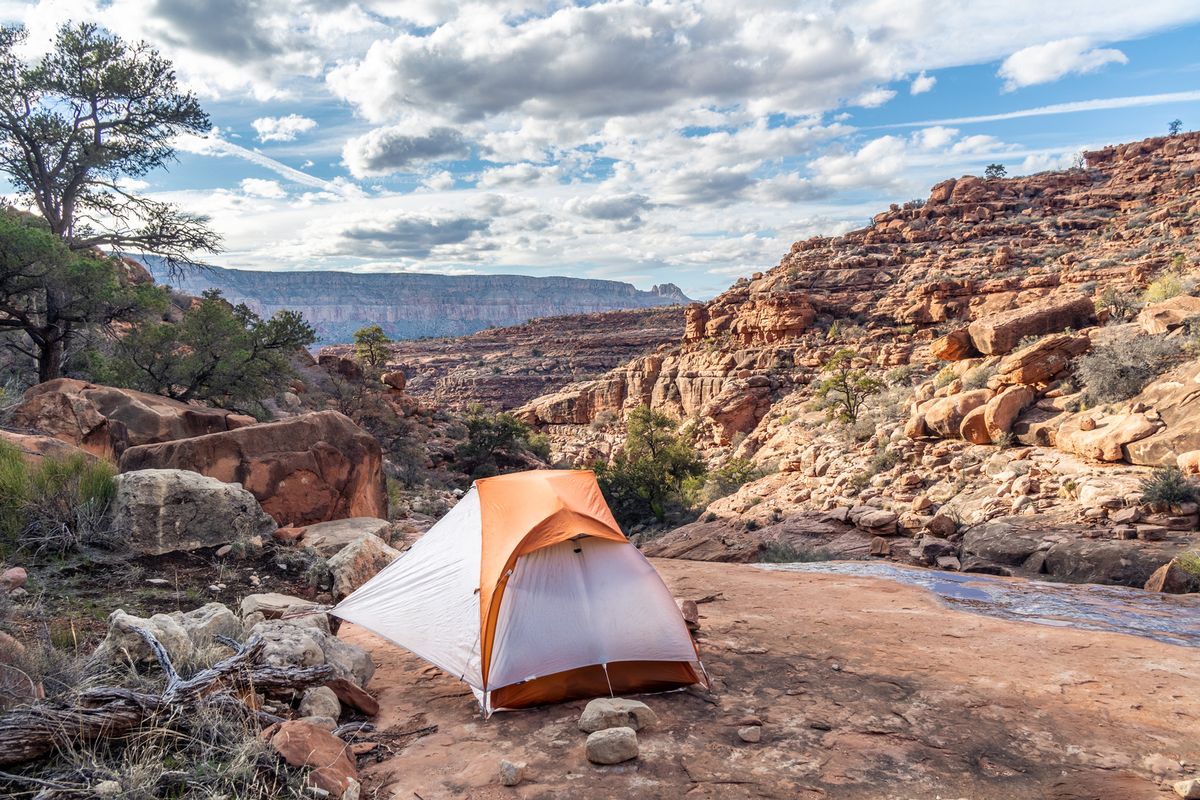
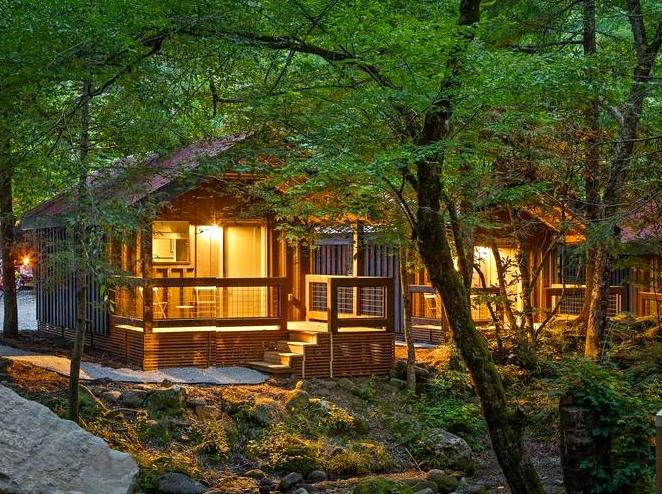
While you can’t free camp, there are great camping options near Uluru. The closest campground is the Ayers Rock Resort in Yulara, about 15km from Uluru. This modern campground has:

  • Powered sites and unpowered sites for tents, camper trailers and caravans
  • Basic facilities such as clean bathroom facilities and laundry facilities
  • Outdoor kitchen and BBQs for a real camping experience
  • Ample amenities including a swimming pool, garden walks, a booking service, shops, restaurants and plenty of water

The campground is suitable for every type of camping trip, whether you want convenience or a true centre adventure in the Red Centre.

Comparison Table

Comparison Table Roadside Rest

Below is a comparison of the camping options and facilities near Uluru to help plan your camping trip:

Facility / FeatureAyers Rock Resort CampgroundCurtin SpringsRoadside Rest Stops
Powered SitesYesYesNo
Unpowered SitesYesYesLimited
Bathroom FacilitiesYesYes (basic)No
Laundry FacilitiesYesYes (basic)No
Outdoor Kitchen / BBQYesLimitedNo
Booking ServiceYesYesNo
Swimming PoolYesNoNo
Shops / RestaurantsYesYes (basic meals)No
Garden WalksYesNoNo
Suitable for Camper TrailersYesYesYes (basic)
Distance to Uluru15 km85 km100+ km

This table should help you compare different camping options and choose the right one for you.

Alternative Camping and Budget Options

Alternative Camping and Budget Options

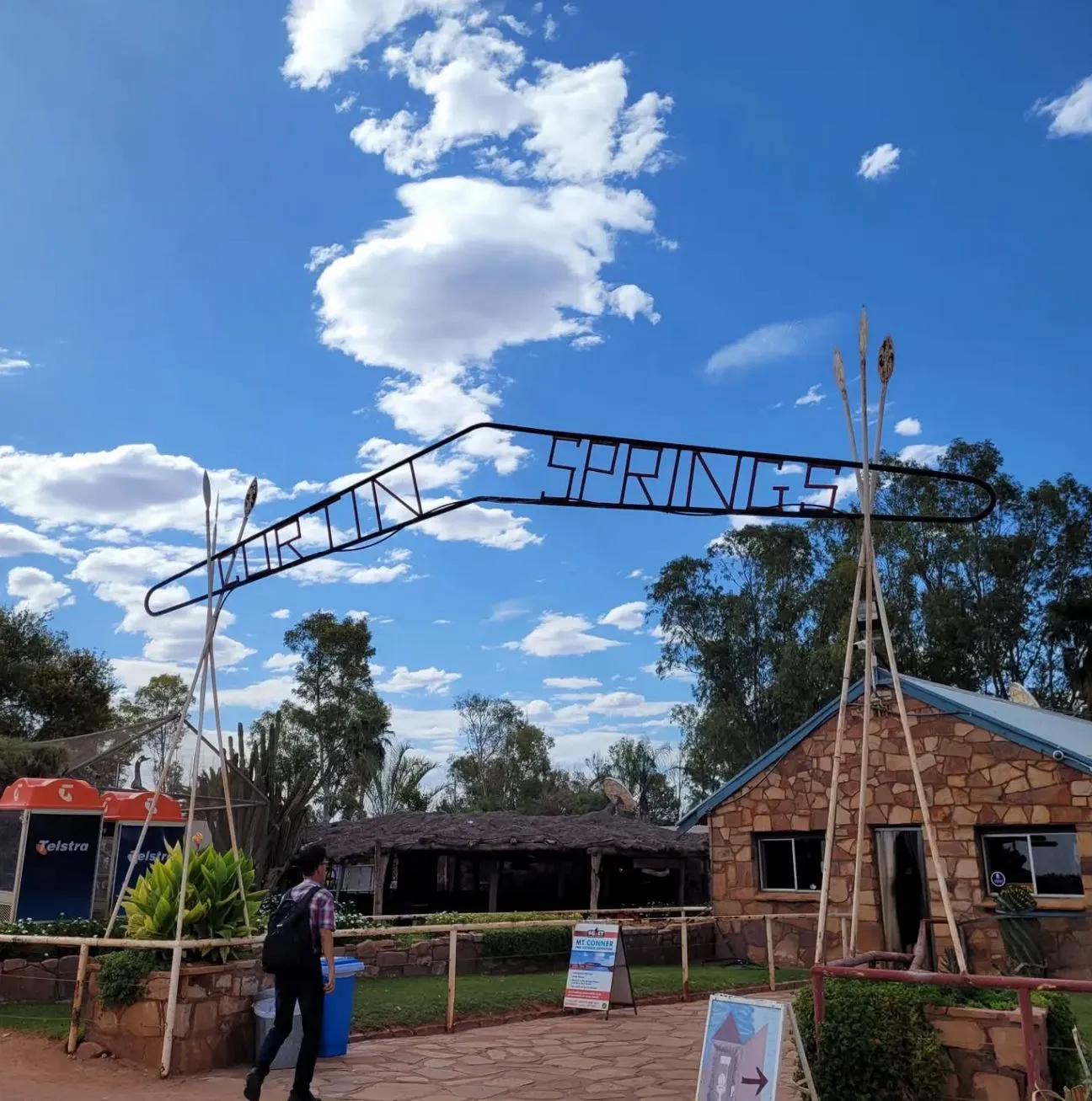
Budget travellers can find low-cost camping and basic facilities at Curtin Springs (about 85 km from Uluru), with powered and unpowered sites available. Some designated rest stops and camping spots further along dirt roads and the Lasseter Highway may allow bush camping, but always check current national park rules—illegal camping can result in fines.

Nearby Tour Destinations

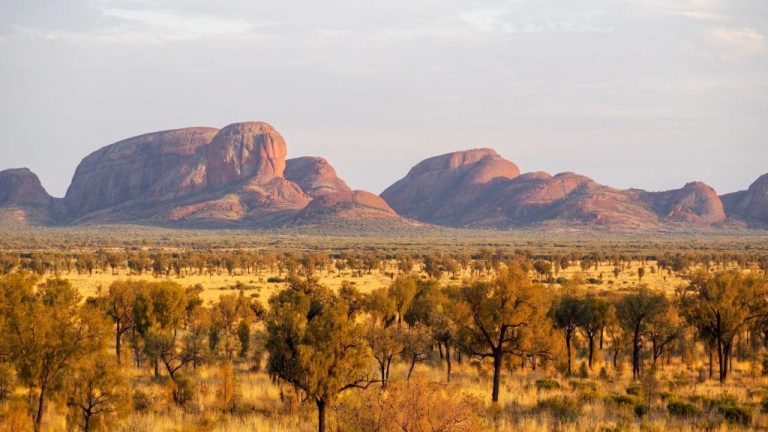
If you want to extend your Red Centre adventure consider visiting nearby tour destinations such as Kata Tjuta (the Olgas), famous for its domed rock formations and walking tours, and Kings Canyon, which offers hiking, dune viewing and bush tucker experiences. These are all within driving distance from Uluru and offer outdoor activities, cultural tours and natural beauty.

Taking a Uluru tour is one of the best ways to experience the park’s landscapes and learn about its Aboriginal history and traditions. Uluru tours often include sunrise or sunset viewings, bush tucker tastings and visits to sacred sites within the national park.

You can also join daily activities or a sunset bus tour with local operators like Wildlife Tours who offer guided tours of the best national parks and attractions in the region.

Best Time to Go

Best Time to Go Uluru

The cooler months (winter) are the best time to camp at Uluru. Daytime temperatures are pleasant, nights are cool and there are fewer insects. In the warmer months be prepared with insect repellent and make sure you have plenty of water as conditions can be harsh.

Camping Essentials

Pack for camping at Uluru by bringing outback camping gear: sturdy tents or camper trailers, insect repellent, water containers, food, torch and clothing for varying temperatures. Most camping grounds including Ayers Rock Resort have laundry facilities, bathroom facilities and outdoor kitchens.

Activities to Add to Your Camping Experience

Add to your camping experience by doing daily activities such as walking tours, cultural tours, bush tucker tastings and guided garden walks. Many campers also enjoy bus tour sunset experiences, dune viewing and cultural activities led by Anangu guides. Suppose you’re short on time or want a deeper experience book a Uluru tour that covers the area’s natural and cultural highlights in one day. National parks staff can advise on activities, walking tours and must-see spots.

Responsible Camping

Responsible camping means following national park rules, respecting cultural significance, using designated camping areas, disposing of black water properly and leaving no trace. This looks after both the natural beauty and the wishes of the Traditional Owners.

FAQ

Can I camp inside Uluru-Kata Tjuta National Park?

No, camping is not allowed inside the park. Use the closest campground at Ayers Rock Resort for your camping trip.

Are there any free campsites or unpowered sites near Uluru?

There are no free campsites nearby, but Curtin Springs has powered sites and unpowered sites 85km away.

What facilities are available at the Ayers Rock Resort Campground?

Powered and unpowered sites, clean bathroom facilities, laundry facilities, outdoor kitchen, BBQs, swimming pool, garden walks and booking service for tours and activities.

What are the best months for a camping trip at Uluru?

The cooler months and winter months (May to September) are the most comfortable for camping, with fewer insects and pleasant temperatures.

What can I do during my stay?

Join walking tours, cultural tours, bush tucker experiences, bus tour sunset viewing, dune viewing and daily activities run by the resort and national parks staff.

Flights to Maldives from Australia

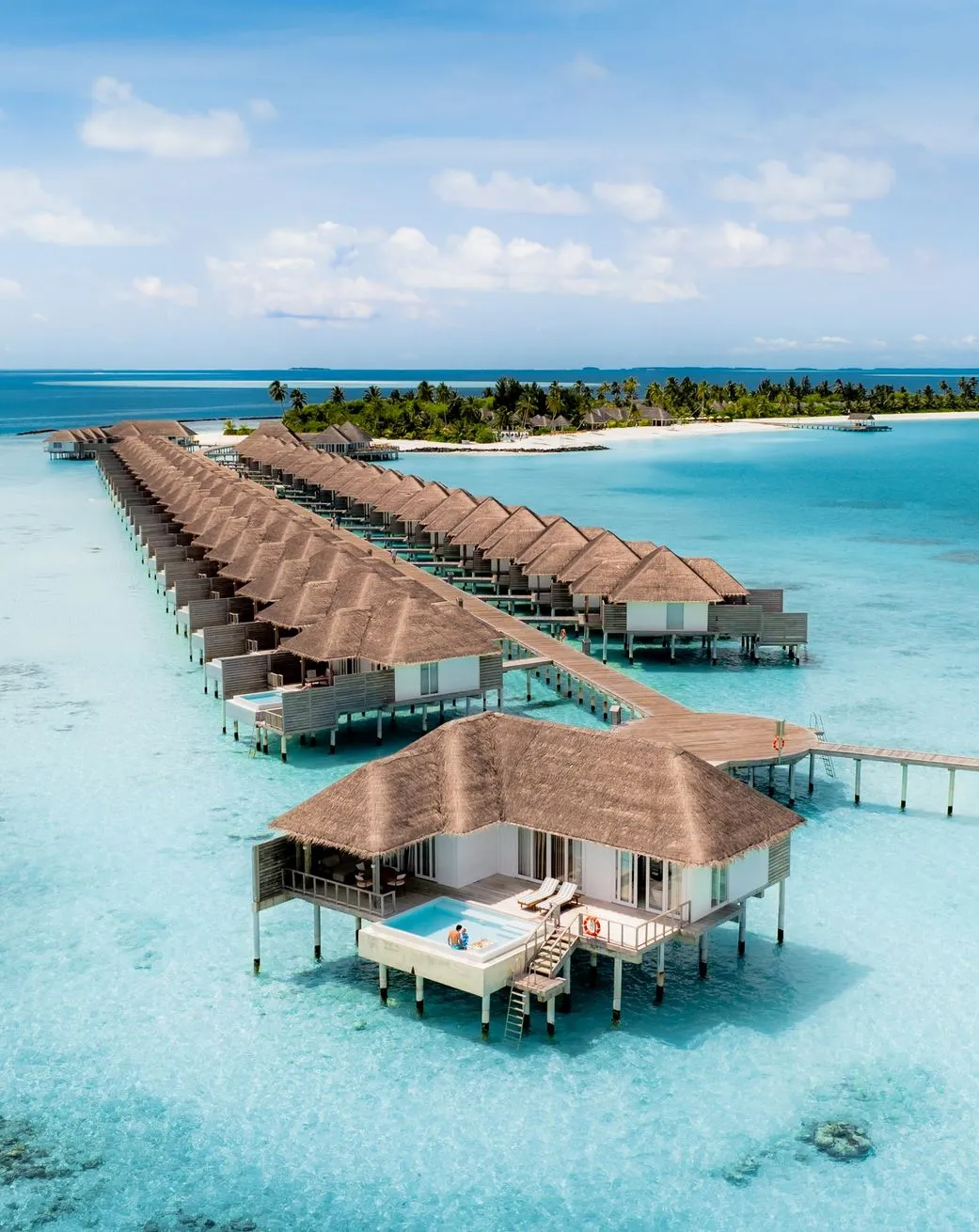
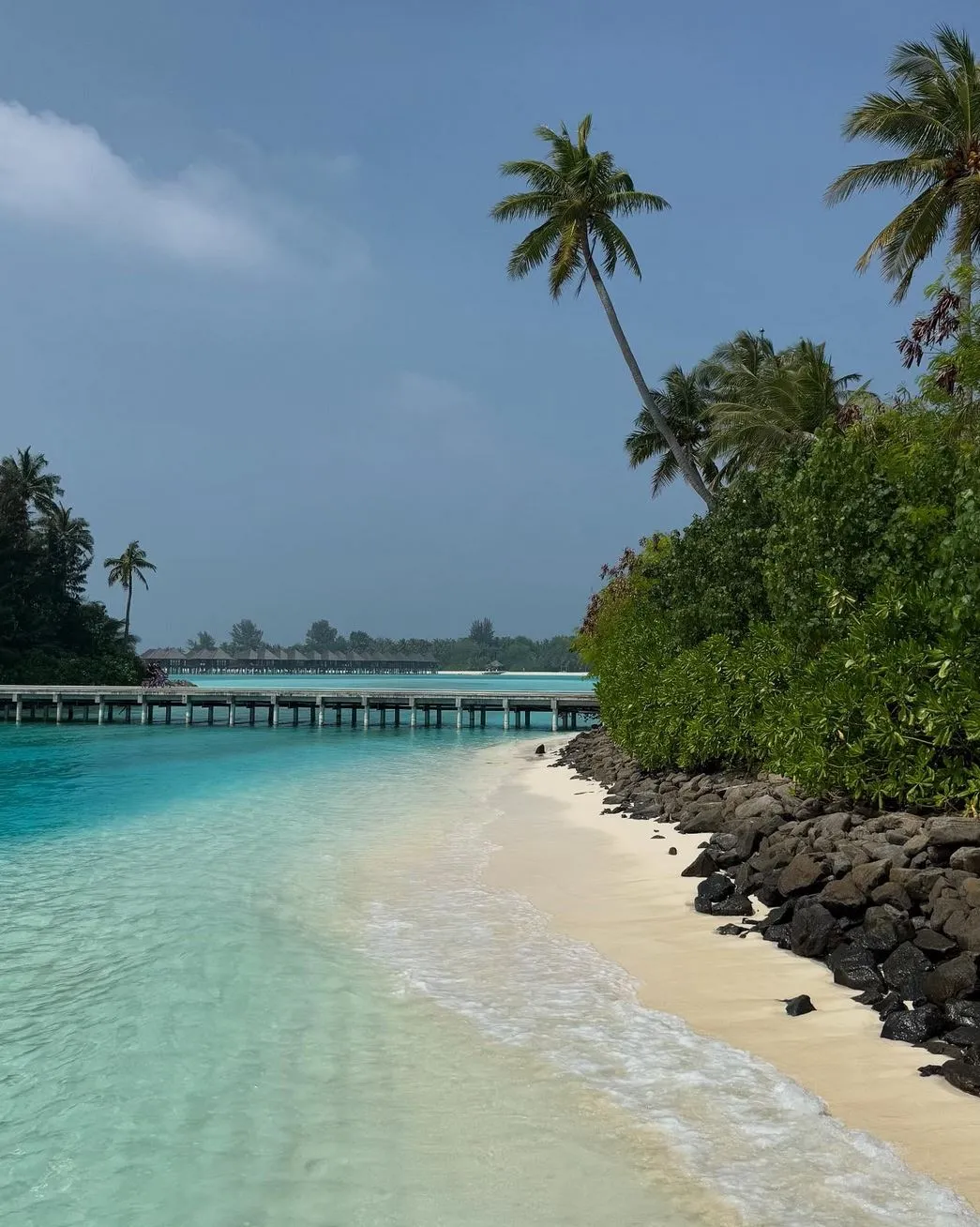
The Maldives is a tropical haven in the Indian Ocean, famous for its overwater villas, crystal-clear lagoons and marine life. The Maldives is becoming a very popular destination for Australian travellers looking for luxury, relaxation or a romantic getaway. Whether you’re after a private island escape or an overwater spa retreat, this island paradise has something for everyone. But how do you get there from Australia?

Many Australians book a Maldives tour or a curated Maldives travel package to simplify the process and enjoy a hassle-free experience from flights to accommodation.

Routes, Airlines & Tips

maldives tour package

There are no direct flights from Australia to the Maldives. However, you can fly to Malé (Velana International Airport) with one or two stops depending on the airline, cabin class and departure city. Comparing flight options early can help you get better flight deals and find the best price for your travel dates.

Common Routes:

  • Sydney to Malé: One stop flights via Singapore (Singapore Airlines), Doha (Qatar Airways) or Dubai (Emirates).
  • Melbourne to Malé: One-stop flights via Singapore, Doha or Kuala Lumpur (Malaysia Airlines).
  • Brisbane to Malé: Two stops, often through Sydney and Singapore or via the Middle East.
  • Perth to Malé: One-stop flights via Singapore or Kuala Lumpur.

Common departure airports are Sydney, Melbourne, Brisbane and Perth. Flight times vary depending on your chosen route and airline, typically 13-20 hours including layovers. If you’re looking for a shorter total travel time, choosing flights with optimal departure times and fewer stops can make a big difference.

Best Airlines and Flight Options

Best Airlines and Flight Options, Qatar Airways

When choosing your airline, consider popular airlines and the services they offer. Some of the best and most popular airlines for travel to Maldives are:

  • Singapore Airlines
  • Qatar Airways
  • Emirates
  • SriLankan Airlines
  • Malaysia Airlines

These airlines are known for comfort, reliable airport transfers and in-flight service. Booking through travel sites will help you compare cabin classes, flight prices and deals for flights according to your preference. You can also book one way if you’re planning to travel to other destinations in Asia or Europe.

The cheapest airlines are usually during promotional periods or when you book well in advance. Use tools on major travel sites to find the cheapest month, best time of day and ideal time to book your flight tickets.

If you want convenience and value, many Maldives tours include flights, transfers and accommodation all in one package.

Best Time to Visit

The best time to visit Maldives is during dry season from November to April. These months have the most sunshine, ideal sea conditions and great opportunity to see marine life through diving, snorkelling and water sports. This is also peak season for tourists.

For budget travellers, the cheapest month to travel is usually during wet season from May to October. Although you may get more rain, prices for flights, accommodation and holiday packages are lower. Many resorts and travel sites also offer discounts and value added perks during this period.

A well planned Maldives travel package will help you save costs while you still get the full tropical experience.

If you’re planning to extend your holiday, nearby destinations like Sri Lanka, Thailand and Dubai are great add-ons to your itinerary and are commonly included in multi-stop tours with Wayoutback Tours.

Visa and Entry Requirements

maldives travel packages

Australian passport holders can get a 30-day tourist visa on arrival in Maldives. This is hassle-free and free of charge but travellers must meet the following conditions:

  • A passport with at least 6 months of validity
  • Proof of return or onward travel
  • Confirmation of accommodation for the duration of stay
  • Sufficient funds to cover the trip

Also carry a blank visa page in your passport and any necessary health documents including proof of vaccinations if required.

Getting to Your Resort

After arriving in Malé, your journey isn’t over yet. Depending on your resort’s location, airport transfers may involve:

  • Speedboat: For nearby resorts; often included in the package.
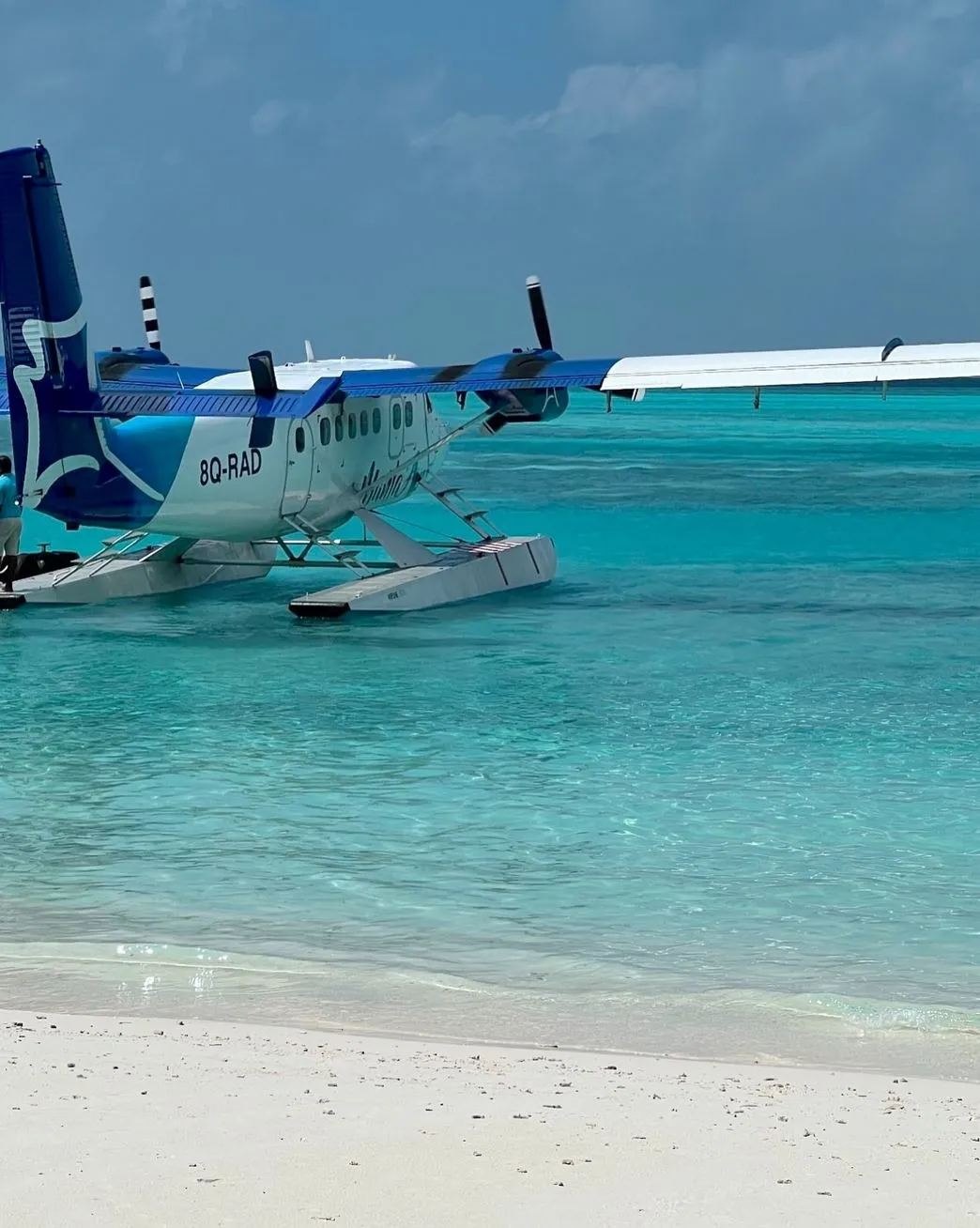
  • Seaplane: For more remote resorts.
  • Domestic flight: Followed by a speedboat ride to your island.

Most resorts arrange airport transfers as part of their service but always confirm in advance. These transfers are important especially if your accommodation is on a private island. The cost of transfers varies depending on the resort and the type of transport so factor this in when booking your holiday packages.

A good Maldives tour will include all the transfers so you can relax from the moment you arrive.

A First-Time Visitor’s Guide

The Maldives is a once-in-a-lifetime experience. Whether you’re relaxing at an overwater spa, swimming with manta rays or just enjoying the views from your villa, it’s worth the journey. Travellers often choose the Maldives for:

  • Luxury on private islands
  • Snorkelling and diving on vibrant coral reefs and marine life
  • Romantic getaways and honeymoon packages
  • All-inclusive holiday packages for relaxation and adventure

When planning your itinerary don’t forget to check out other travel sites to build your perfect trip. Consider adding on travel to nearby destinations like Sri Lanka, India or Southeast Asia for a longer holiday.

For first time visitors opting for a Maldives package can simplify the planning process and let you enjoy every moment without the hassle of logistics.

Tips for Finding the Best Flights

  • Compare flights on travel sites for prices, flight times and services.
  • Book in advance to get the cheapest rates from the cheapest airlines.
  • Use fare alerts to monitor prices and grab deals for flights.
  • Choose your cabin class based on comfort and budget.
  • Be flexible with travel dates and time of day for better rates.
  • Look into one way flights if combining your trip with other destinations.

FAQ

Are there direct flights from Australia to the Maldives?

No, not at the moment. You’ll need to transit through Asia or the Middle East.

How long is the flight from Australia to the Maldives?

Depends on your departure city and airline but usually around 13-20 hours including layovers.

Do Australians need a visa to get into the Maldives?

No, Australians get a 30-day visa on arrival free of charge. Just make sure you have a blank visa page and any required health documents.

What’s the best time to travel to the Maldives from Australia?

The best time is between November and April during the dry season. The cheapest month is usually May to October.

How do I get from Malé airport to my resort?

Transfers are usually arranged by the resort and is a speedboat, seaplane or domestic flight depending on where your accommodation is. These airport transfers are essential if you’re staying on a private island.

Crocodiles in Katherine Gorge?

Katherine Gorge, in Nitmiluk National Park, Northern Territory, Australia, is a 13-gorge system carved through ancient sandstone by the Katherine River. Known for its rugged landscape and cultural significance, it’s a must-see for travel junkies and nature lovers alike. With sandstone walls, swimming holes, rock pools, thermal pools, boat cruises and kayaking options, there’s a holiday to suit all fitness and activity levels. But amidst all this natural beauty one question often arises: are there crocodiles in Katherine Gorge?

Yes—But There’s a Bigger Picture

Yes—But There’s a Bigger Picture

The short answer is yes. But understanding the types of crocodiles and the safety systems in place is important especially if you’re planning your travel resources and want to have safe swimming experiences.

There are two types of crocodiles you may encounter in the region:

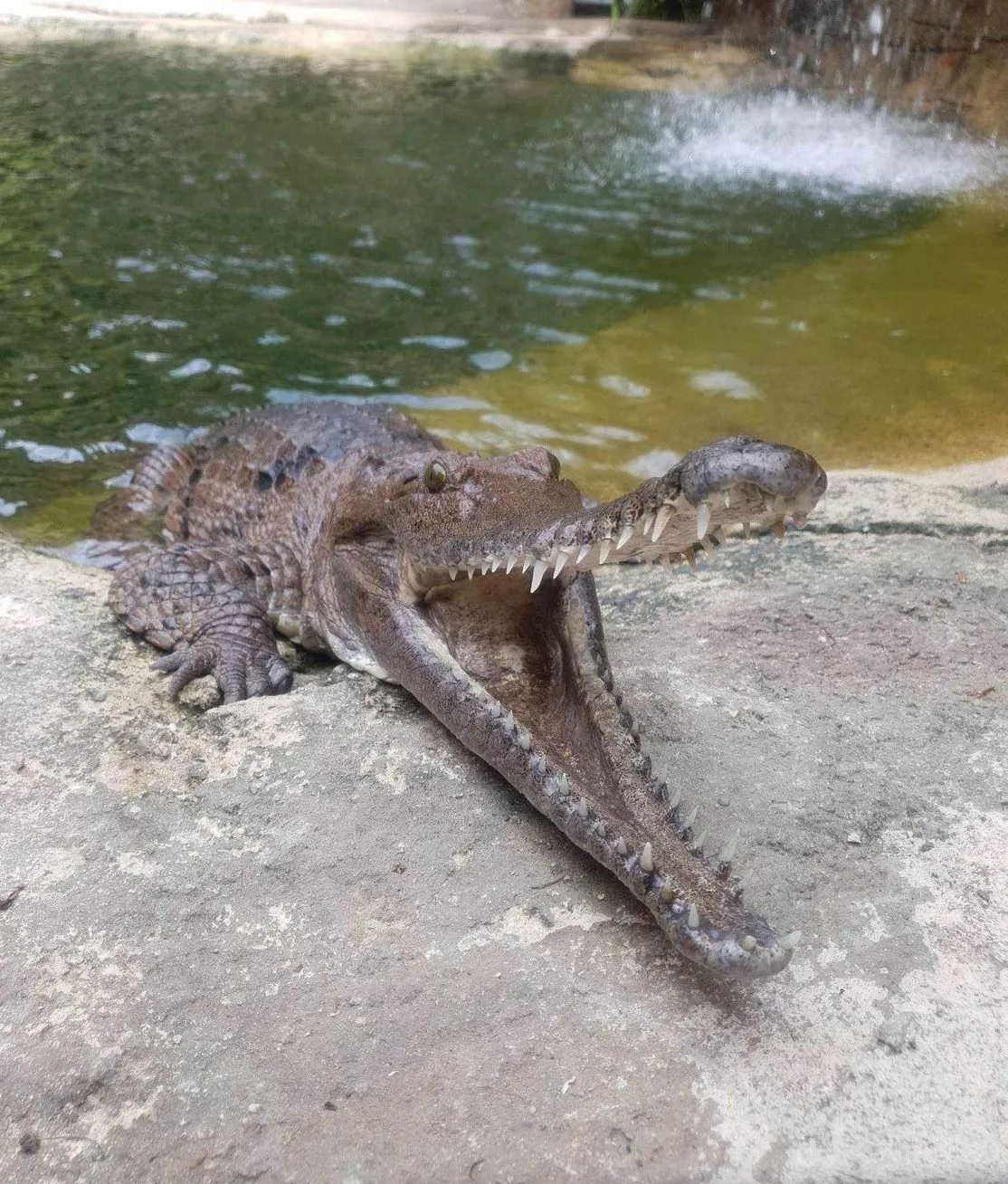
  1. Freshwater Crocodiles (Crocodylus johnstoni) – These freshwater crocs, or “freshies”, are smaller, shy prehistoric creatures that are harmless to humans. They are permanent residents of Katherine Gorge and play a role in maintaining its natural balance.
  2. Saltwater Crocodiles (Crocodylus porosus) – These saltwater crocs, or “salties”, are much larger and more aggressive. While not native to the gorge, they may occasionally enter this body of water during the wet season when water levels rise and create a suitable habitat, especially near the gorge entrance.

Crocodile Safety and Seasonal Monitoring

Crocodile Safety and Seasonal Monitoring

The national parks authorities and the visitor centre take crocodile safety very seriously. During the wet season (November to April) heavy rainfall causes the river to rise and saltwater crocs can migrate upstream. This is when monitoring intensifies.

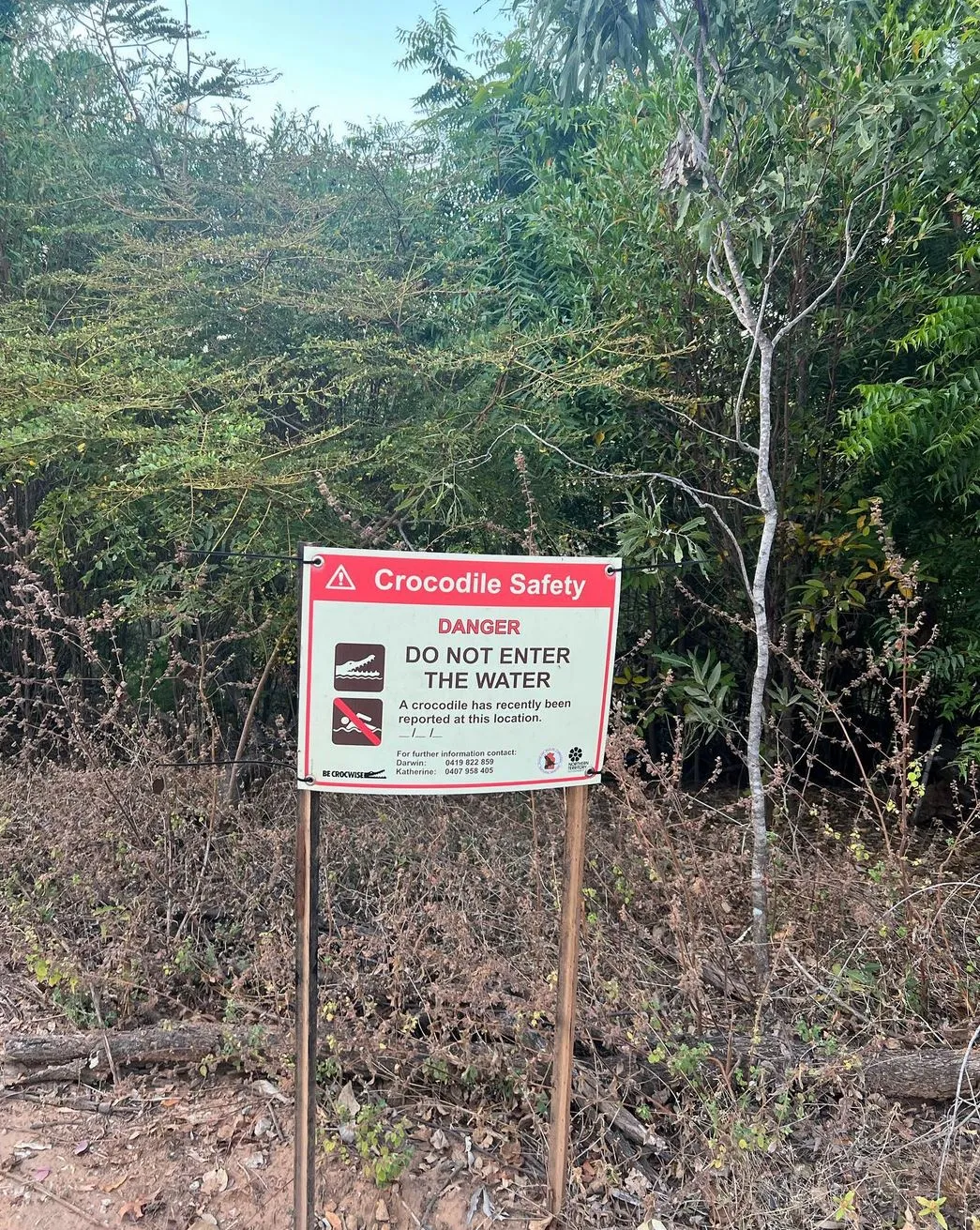
Park rangers regularly survey the gorge and set up crocodile traps if a saltwater croc is suspected or sighted. If a dangerous crocodile is confirmed in the area, all water activities are suspended. Visitors are notified at the visitor centre and signs are posted throughout the area.

In the dry season, the gorge is inspected to ensure it’s safe for public use. Once cleared, designated areas for safe swimming – plunge pools, upper pools, thermal pools and outdoor pools – are reopened.

Safety, Spots & Tips

Swimming in Katherine Gorge

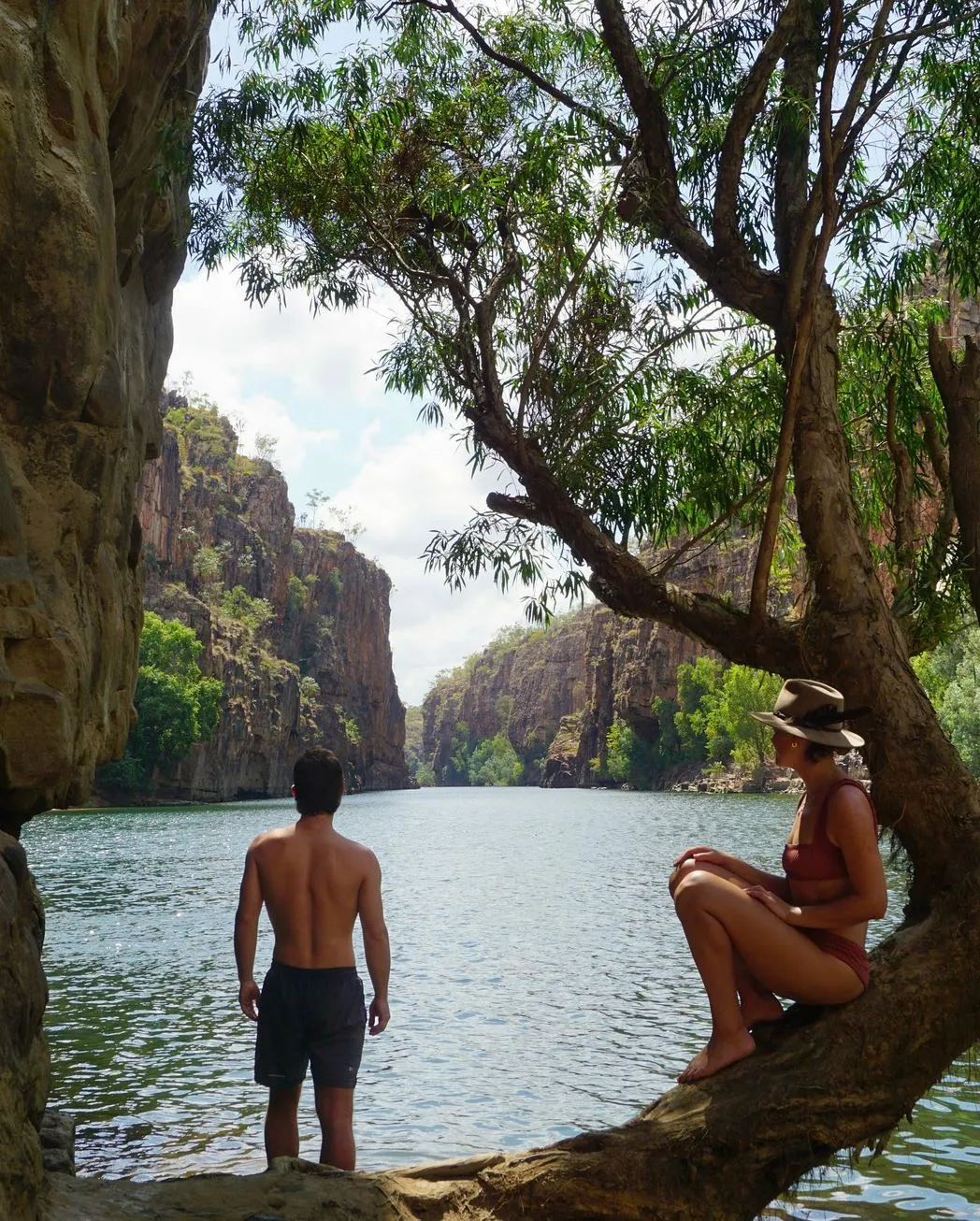
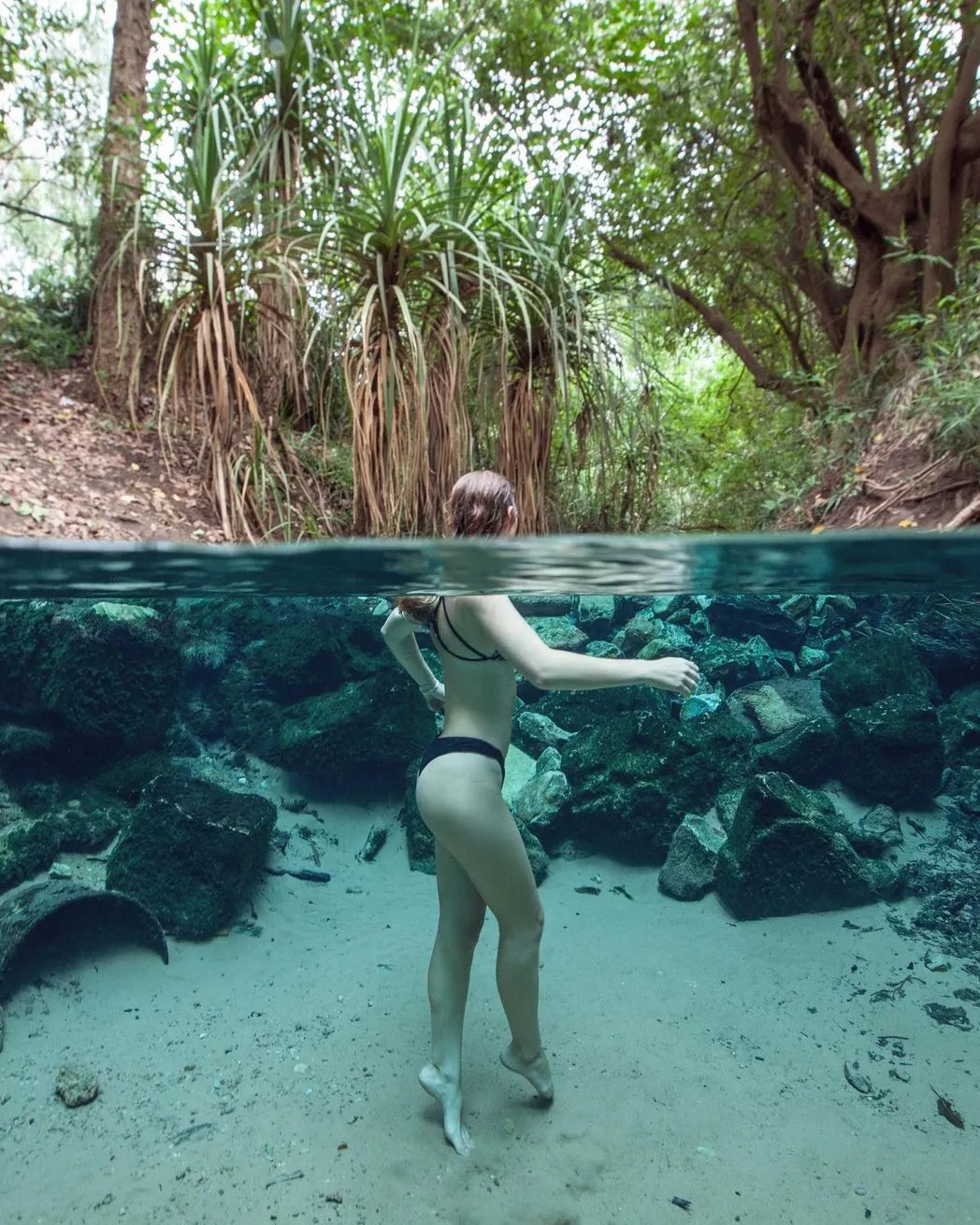
Swimming in Katherine Gorge is seasonal and managed. During the dry season when the water is clear and calm, visitors can swim in rock pools, swimming holes and deeper sections with pool noodles for buoyancy. Some plunge pools and thermal pools are suitable for all fitness levels.

Swimming is only allowed in areas deemed safe by the rangers. Freshwater crocs are present in these areas but are not a threat. These famous residents coexist with humans and are part of the natural diversity.

Tours, Kayaking & Optional Experiences

Tours, Kayaking & Optional Experiences, Katherine Gorge

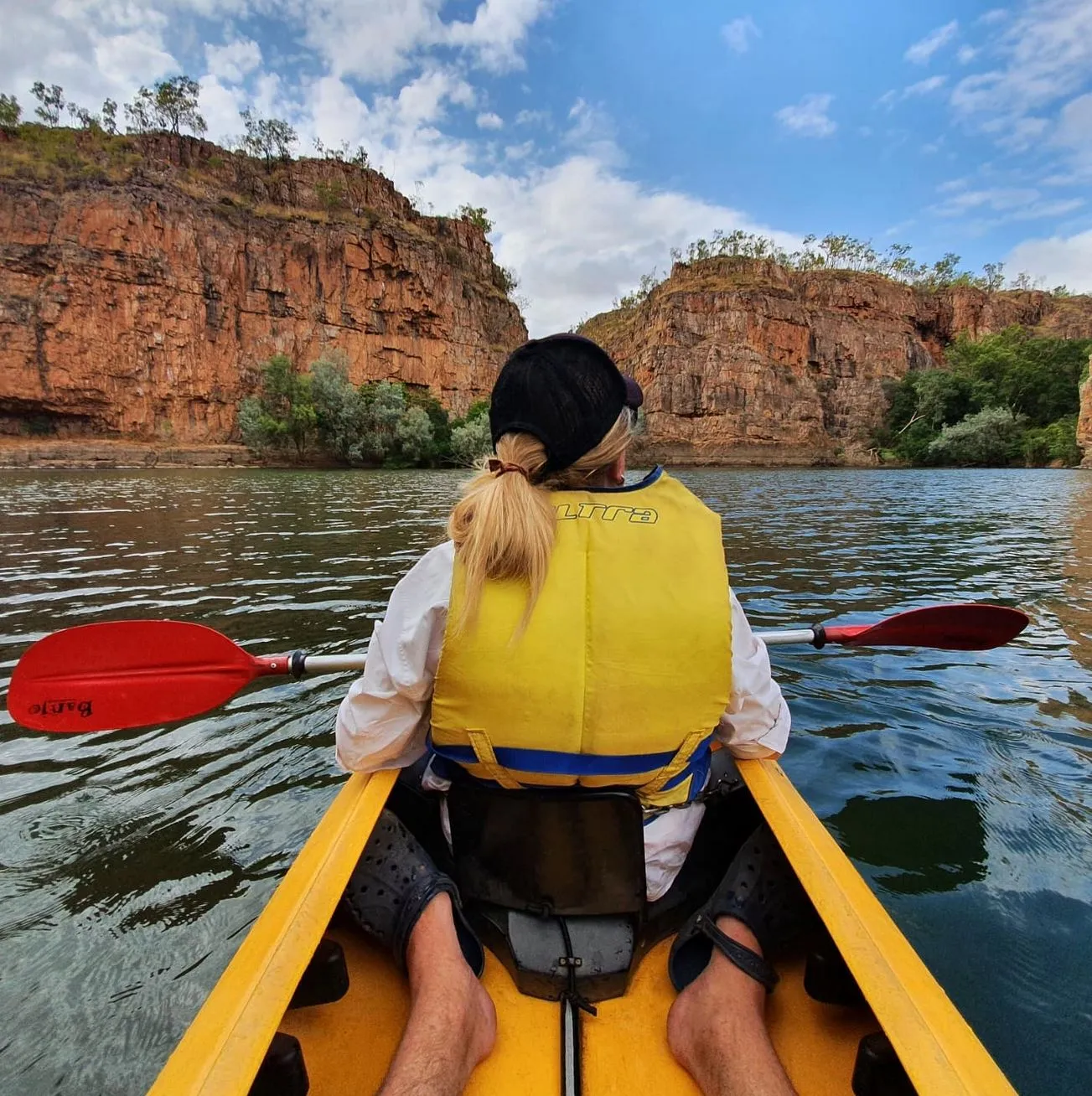
The gorge is a paradise for adventurers and those planning an immersive holiday. Boat cruises and kayaking trips offer optional experiences to explore the ancient landscape from the water. These activities vary in difficulty and can be tailored to your activity level – from easy paddling routes to more challenging trails that traverse rocky terrain and sandstone walls.

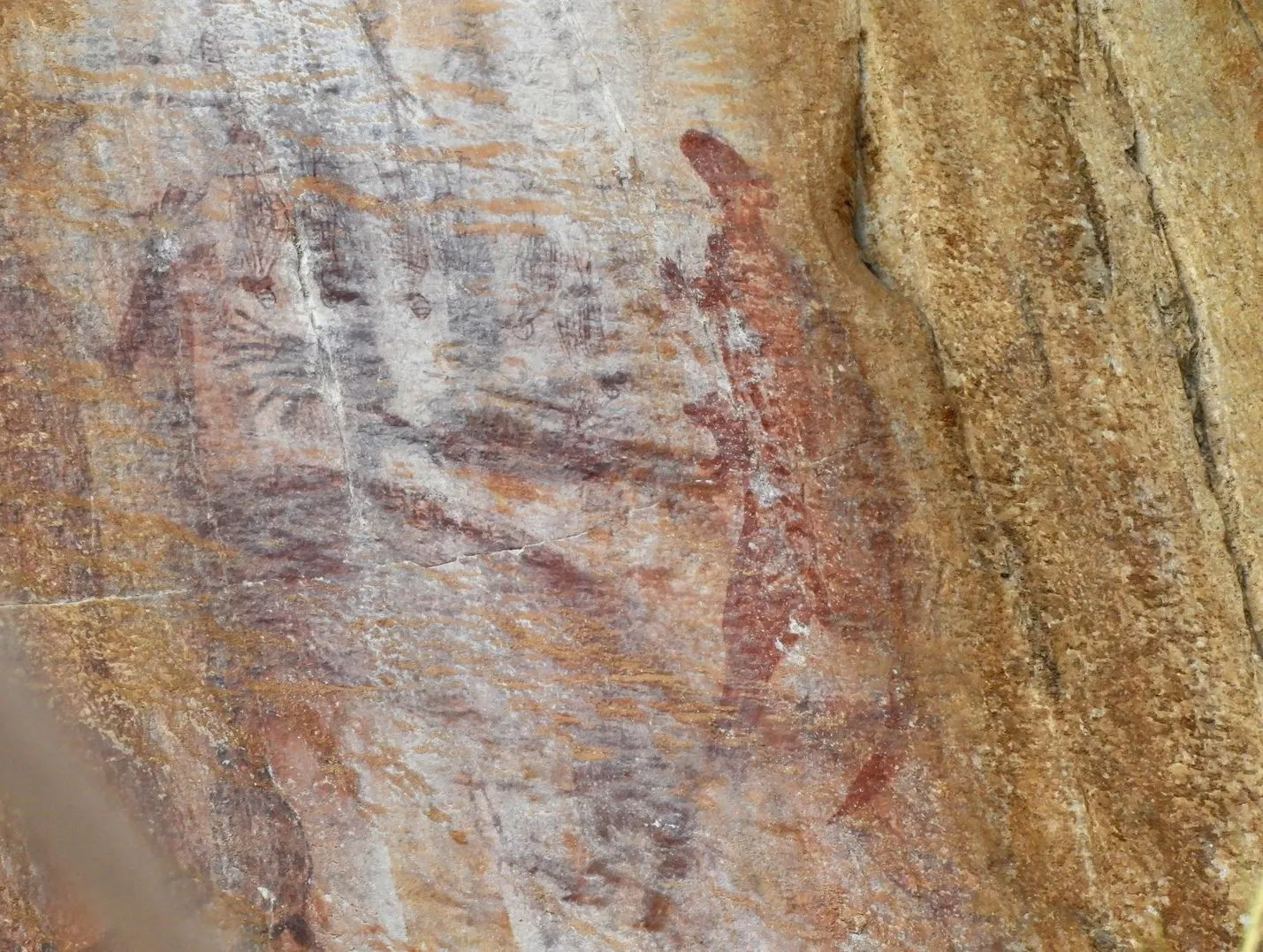
Some kayaking trips go deep into the gorge and encounter rock art created by the indigenous people and stunning views of remote sites. These trips often stop at sacred sites and historical areas such as caves used during WWII air raids. Artefacts made by the traditional owners, the Jawoyn people, can be seen in protected areas.

Many people choose Katherine Gorge tours from Darwin as a convenient and enriching way to see the highlights of the gorge. These tours often include transport, guided walks and insights into the region’s geology, wildlife and cultural history.
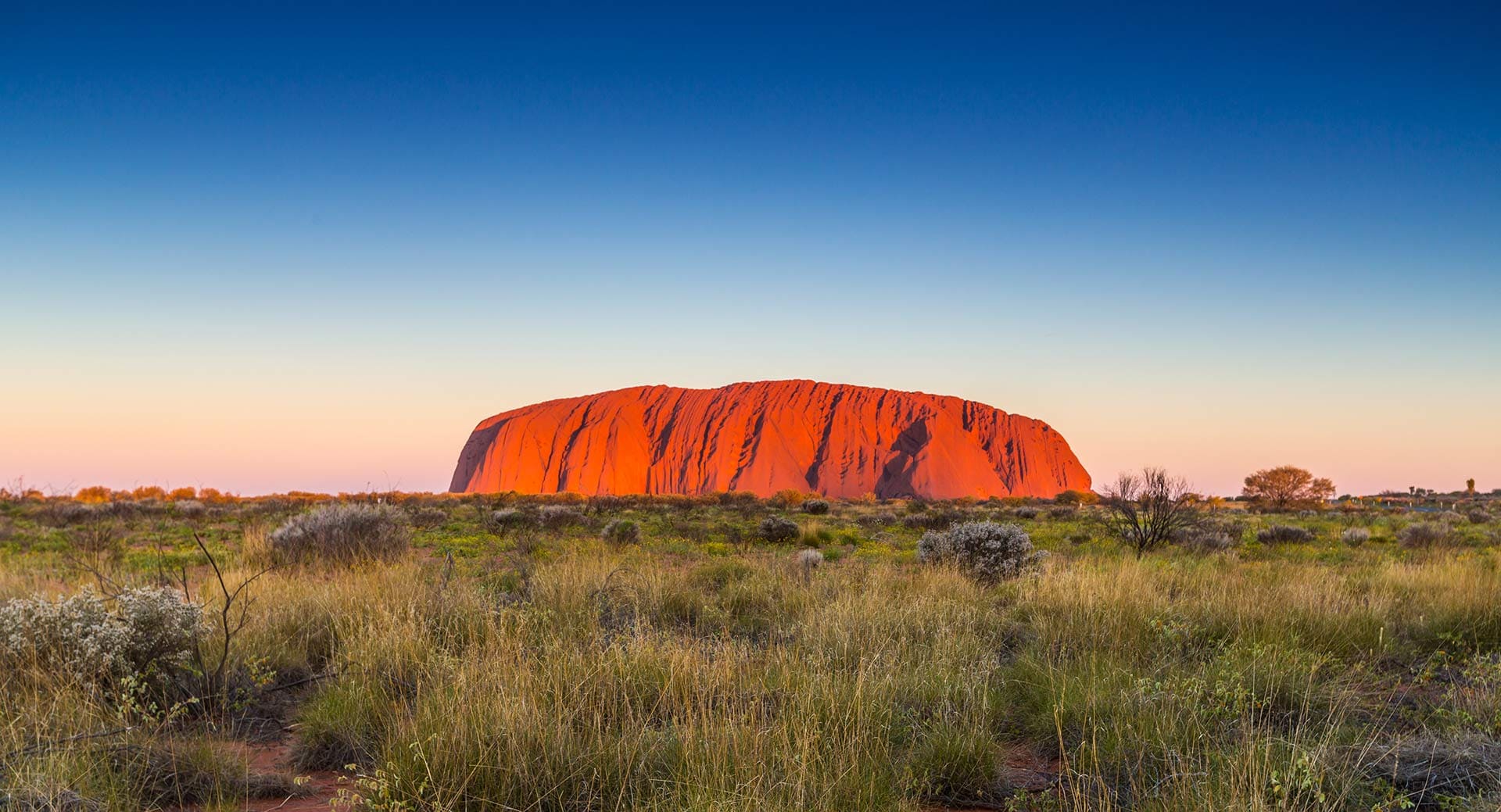
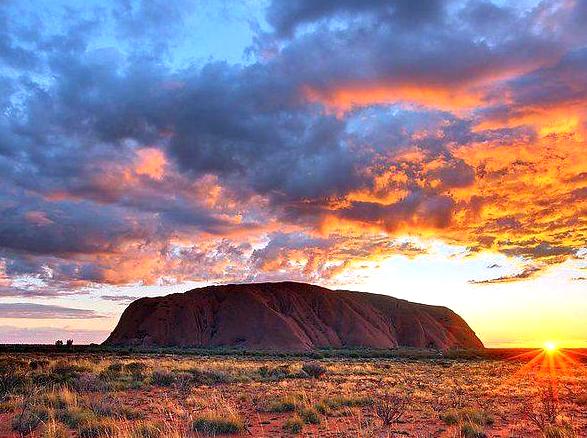
Many tour operators and the visitor centre make reasonable adjustments to ensure inclusivity across the experience for those who require special or individual assistance.

Culture, Nature & Living History

Culture, Nature & Living History

Katherine Gorge is more than a scenic destination – it’s a living cultural landscape. The traditional owners, the Jawoyn people, manage and protect this sacred land. Their stories and customs are embedded in the ancient sandstone walls of the gorge.

Visitors can take cultural tours that delve into the indigenous connection to the land, its spiritual meaning and the symbolism of the rock art. Many tours explain how the gorge is both a natural wonder and a sacred body of water. This connection adds to the personal experience and makes each visit more than just a sightseeing trip. Katherine Gorge tours are perfect for those who want an all-in-one experience that combines adventure with a deep cultural connection. They are especially popular with first-timers who want a guided introduction to the region.

Whether you’re lounging in the private courtyard of an eco-lodge or hiking a tough trail to the lookout, Katherine Gorge has something for everyone. From swimming in plunge pools to learning about crocodile safety and Indigenous culture, every moment in this remote place is full of wonder and discovery.

Travel Planning and Practical Tips

Travel Planning and Practical Tips, Nitmiluk National Park’s

If you’re visiting, check out travel resources from Nitmiluk National Park’s website or the local visitor centre. They have up to date information on river levels, crocodile sightings and which swimming holes or boat routes are open.

Pack sturdy shoes for rocky trails, swimwear for thermal pools and sun protection for long hikes across rugged terrain. Be aware of the wet season and plan your travel dates accordingly – water levels can close off some areas or open up new ones.

If you’re booking a Katherine Gorge tour from Darwin make sure to confirm what’s included – meals, transport and park fees. Many packages have optional extras like cultural talks or longer hikes which can enhance your experience.

If you have accessibility needs contact ahead of time to request individual assistance or reasonable adjustments. Most operators are equipped to cater for all types of travellers.

Final Thoughts

Yes there are crocodiles in Katherine Gorge – but that shouldn’t stop you from visiting. Thanks to monitoring, management and responsible tourism the gorge is one of Australia’s safest and most beautiful natural attractions.

Saltwater crocs are only present in certain conditions and the risk is managed by experienced rangers. Freshwater crocs are harmless and part of the gorge’s ecosystem. Katherine Gorge is a place where safety meets adventure and nature meets culture.

This iconic destination still inspires and intrigues, combining ancient landscapes, indigenous heritage and outdoor adventure into one experience.

FAQ

Can you swim in Katherine Gorge?

Swimming is allowed in marked areas during the dry season when water levels are low and the gorge has been cleared of saltwater crocs. That’s when you can safely take a dip.

Are there saltwater crocodiles in Katherine Gorge?

Saltwater crocs can enter the gorge during the wet season when water levels rise. Park rangers keep a close eye on the area to make sure everyone stays safe.

What kind of crocodiles are commonly found in Katherine Gorge?

You’ll mostly find freshwater crocs. They’re not typically aggressive towards humans. In fact, they’re kind of famous around here.

Is it safe to kayak or take a boat cruise in Katherine Gorge?

Kayaking and boat cruises are safe and super popular year-round. Operators follow strict safety guidelines and cater to all fitness levels.

What precautions should I take when visiting Katherine Gorge?

Before you head in, check the visitor centre for the latest on crocodile safety and water levels. Follow the signs, avoid any swimming areas that aren’t approved-and ask about any special assistance or adjustments you might need.

Are There Snakes on the Larapinta Trail? Safety Tips

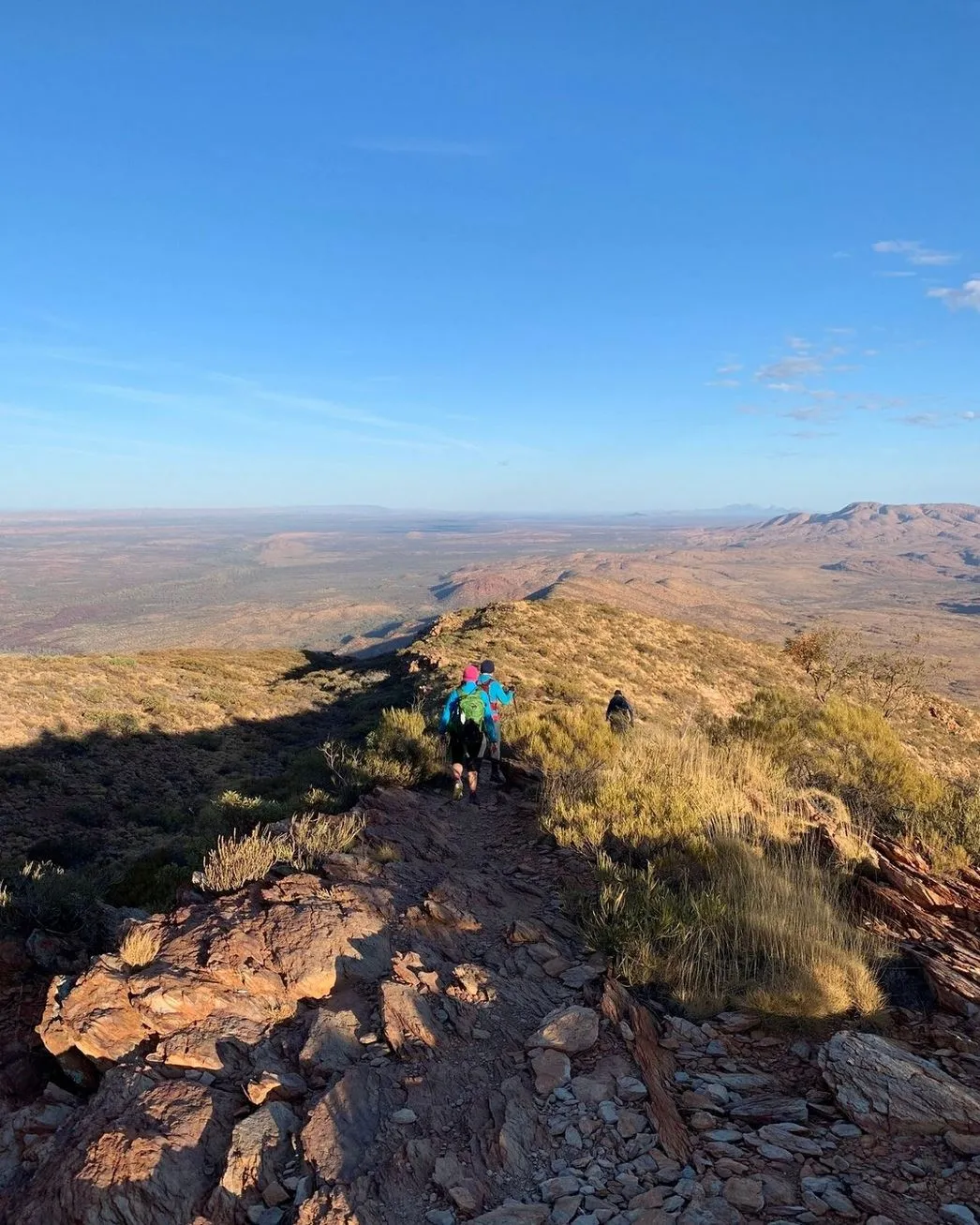
The Larapinta Trail, a world-famous hike through the West MacDonnell Ranges in the Northern Territory, is your chance to experience the raw, remote beauty of the outback. While the trail is famous for its big landscapes, Redbank Gorge, Ormiston Gorge and Mount Sonder, many hikers wonder if they should worry about snakes. The answer is yes, there are snakes here, but they are rare if you take the right precautions.

Introduction to the Trail

Serpentine Gorge

The Larapinta Trail, covering 223 kilometres from west to east, traverses a range of terrains, from deep gorges like Hugh Gorge and Serpentine Gorge to rocky ridgelines such as Razorback Ridge. With diverse wildlife, incredible natural beauty, and campsites like Mulga Camp and Fringe Lily Creek, it’s easy to see why the Larapinta Trail is a bucket-list adventure for hikers. However, with remote landscapes, it’s essential to be aware of the potential presence of snakes along the trail, particularly in areas like Jay Creek, Glen Helen Gorge, and Waterfall Gorge.

Snakes on the Trail: What to Expect

Yes, there are snakes along the entire trail, from the sandy banks of Ellery Creek to the rocky gorges like Spencer Gorge. However, snake sightings are not common, and snakes are more likely to be found in areas with natural water sources, like creek beds, water tanks, or water bottle drops at campsites like the Serpentine Chalet Dam or in the deep gorges.

Common Snake Species in the Larapinta Trail Area

Several species of snakes are found in the Northern Territory, and while encounters are rare, you should be aware of their presence:

  1. Western Brown Snake (Pseudonaja mengdeni) – Common in the area, this venomous snake can be found in areas like Rocky Gully and Fringe Lily Creek. It’s often hiding in the dry, rocky terrain.
  2. Inland Taipan (Oxyuranus microlepidotus) – The world’s most venomous snake, the Inland Taipan is rare but does exist in the dry remote areas like Euro Ridge and Ormiston Gorge.
  3. Red-bellied Black Snake (Pseudechis porphyriacus) – This venomous snake is found near water sources like Glen Helen Gorge and Ellery Creek Big Hole, hiding in the shade of rocks or tree roots.
  4. Woma Python (Aspidites ramsayi) – Although non-venomous, the Woma Python can be found in rocky areas like Rocky Gully and Inarlanga Pass and is often mistaken for a venomous species.

Snake Safety on the Larapinta Trail

Snake Safety on the Larapinta Trail

Although the chances are slim that you’ll run into a snake, it’s still important to be aware and prepared. Here are some tips:

  1. Stay Calm and Don’t Provoke: Snakes avoid humans. If you do see one, don’t make any sudden movements. Back away slowly and give the snake room to move on.
  2. Stay on the Trails: Snakes are more likely to be found off the trail in the underbrush, rocky gorges or near water sources. Stick to the blue markers and stay on the trail so you don’t brush up against the vegetation.
  3. Wear the Right Footwear: Wear hiking boots or shoes with ankle support. Gaiters can also help protect against snake bites. Hiking poles are good for balance, especially on rocky sections like Razorback Ridge or when crossing dry creek beds.
  4. Stay Hydrated and Pack Extra Water: The Larapinta Trail can get very hot during the day, with temperatures often over 30°C. Carry a water bladder, extra water and a satellite phone for emergencies. Water sources like Serpentine Chalet Dam and water tanks are along the trail, but you need to plan your trip and bring enough drinking water to avoid heat stroke.
  5. Hike with Others: Solo hikers should consider joining a group as snakes tend to avoid larger groups. Always tell someone of your hiking plans and expected arrival time at your campsite. Limited phone reception may make it hard to call for help, so having a power bank or satellite phone is a must.

What to Do if You Get Bitten

While snake bites on the Larapinta Trail are very rare, it’s good to know what to do in case of an emergency. If bitten, apply a compression bandage above the bite and immobilise the affected limb. Seek medical attention and call for help using your satellite phone. Many campsites like Mulga Camp and Glen Helen have access to emergency services if needed.

Conclusion

Yes, snakes do live on the Larapinta Trail, but with proper preparation and caution, the risk is low. Most snakes are shy and will avoid you unless provoked. By staying on the track, wearing protective clothing and being aware of your surroundings, you can enjoy the amazing landscapes, West MacDonnell Ranges, Serpentine Gorge, Mount Sonder, etc, without worry. Make sure you pack all the necessary gear: hiking boots, water tank, hiking poles, extra food and water to have a safe adventure.

If you want a more guided experience, a Larapinta Trail Tour will provide expert guidance so you can stay safe while you discover the amazing landscapes and hidden gems of the trail.

FAQ

How many snakes are on the Larapinta Trail?

Snakes are not common on the trail, but they do live in the area, particularly around natural water sources like Ellery Creek and Glen Helen.

What do I do if I see a snake?

Stay calm, back away slowly and give the snake space to move. Don’t make any sudden movements.

Do I need to carry extra water on the Larapinta Trail?

Yes, you must carry extra water as there are limited water sources. Make sure you have enough drinking water, a water bladder and access to refill points along the trail.

Are there dangerous snakes on the trail?

Yes, there are venomous snakes, such as Western Brown Snake and Inland Taipan, in the area, but snake bites are extremely rare.

What gear should I bring to stay safe?

Hiking boots, hiking poles, long pants, gaiters, water bladder, extra water, satellite phone, power bank.

Best Time to Visit Ningaloo Reef for Whale Sharks & More

Ningaloo Reef, a UNESCO World Heritage site off the coast of Western Australia, is one of the most amazing marine ecosystems in the world. Famous for its pristine coral reefs, vibrant marine life and incredible whale shark encounters, it’s a must-see destination for nature lovers and adventure seekers. But choosing the right time to visit can make all the difference. The reef is home to an abundance of marine wildlife, including humpback whales, whale sharks, reef sharks and various marine turtle species. Whether you’re looking for a luxury wildlife experience or a budget-friendly adventure, Ningaloo Reef has something for everyone year-round.

Best Time to Visit: March to September

Best Time to Visit, March to September

Ningaloo Reef is a year-round destination but the best time to visit is March to September. During this period the weather is pleasant and wildlife encounters are at their peak. The cooler months are perfect for water sports, snorkel tours and glass-bottom boat tours.

March to June: Whale Shark Season

March to June, Whale Shark Season, Ningaloo Reef

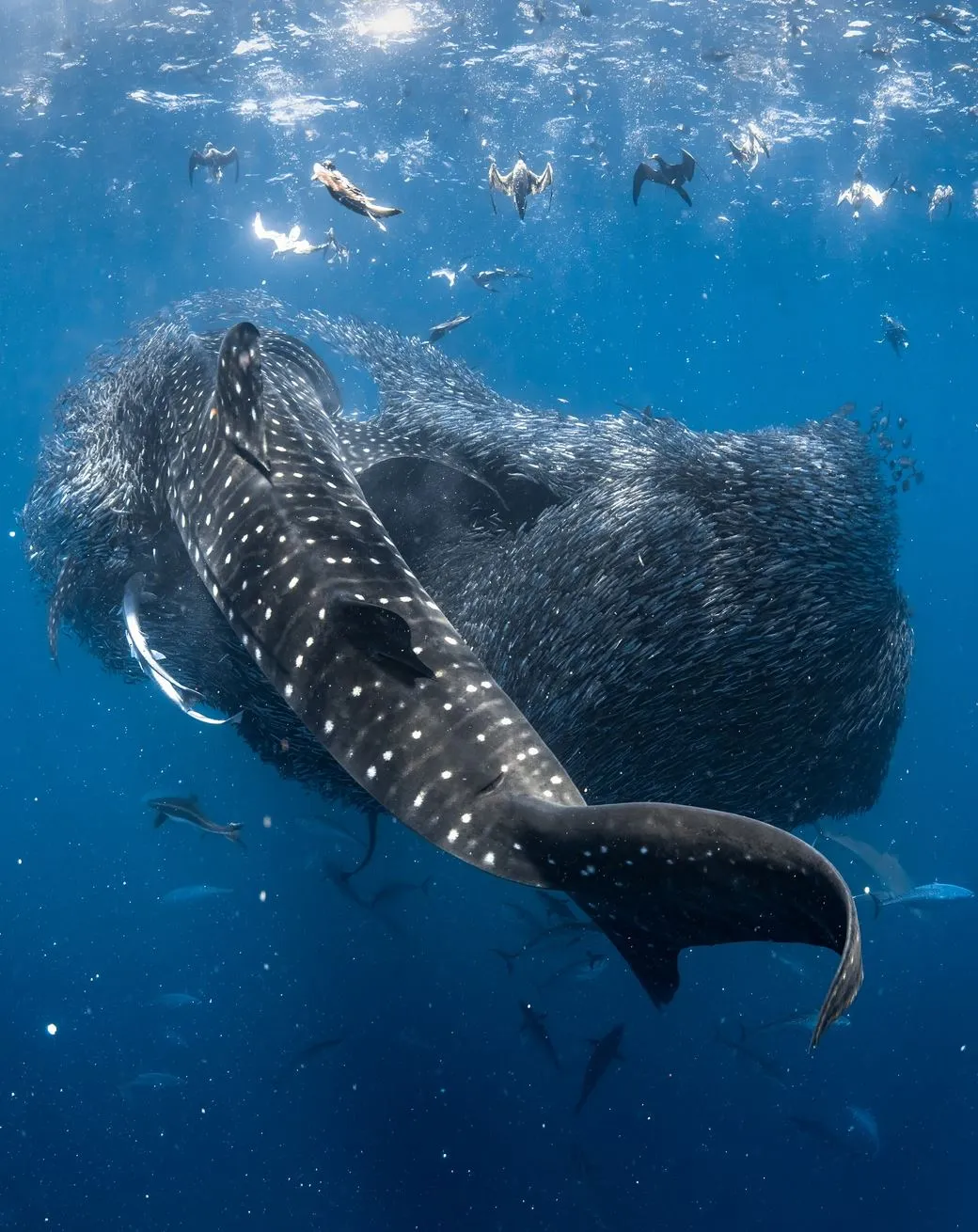
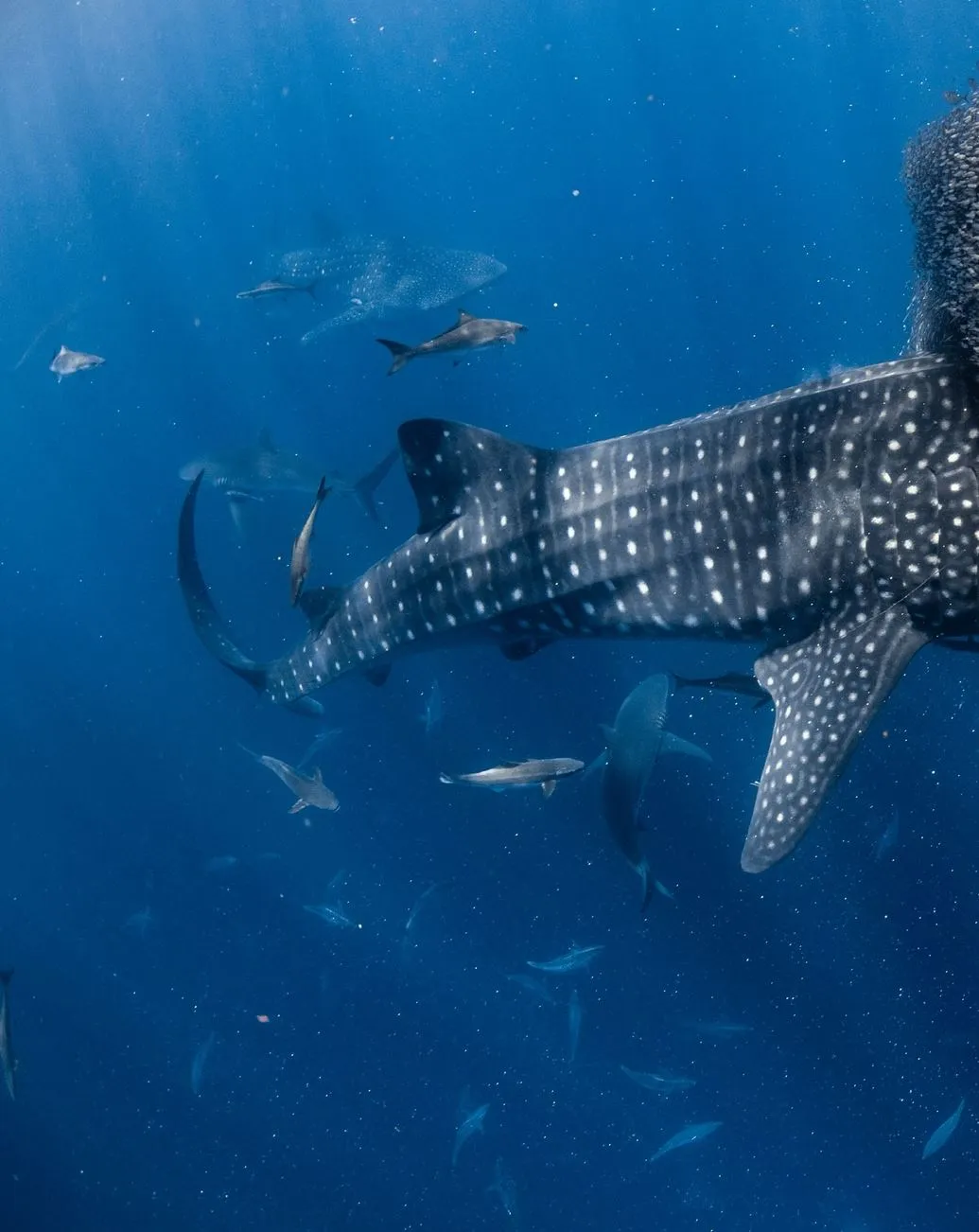
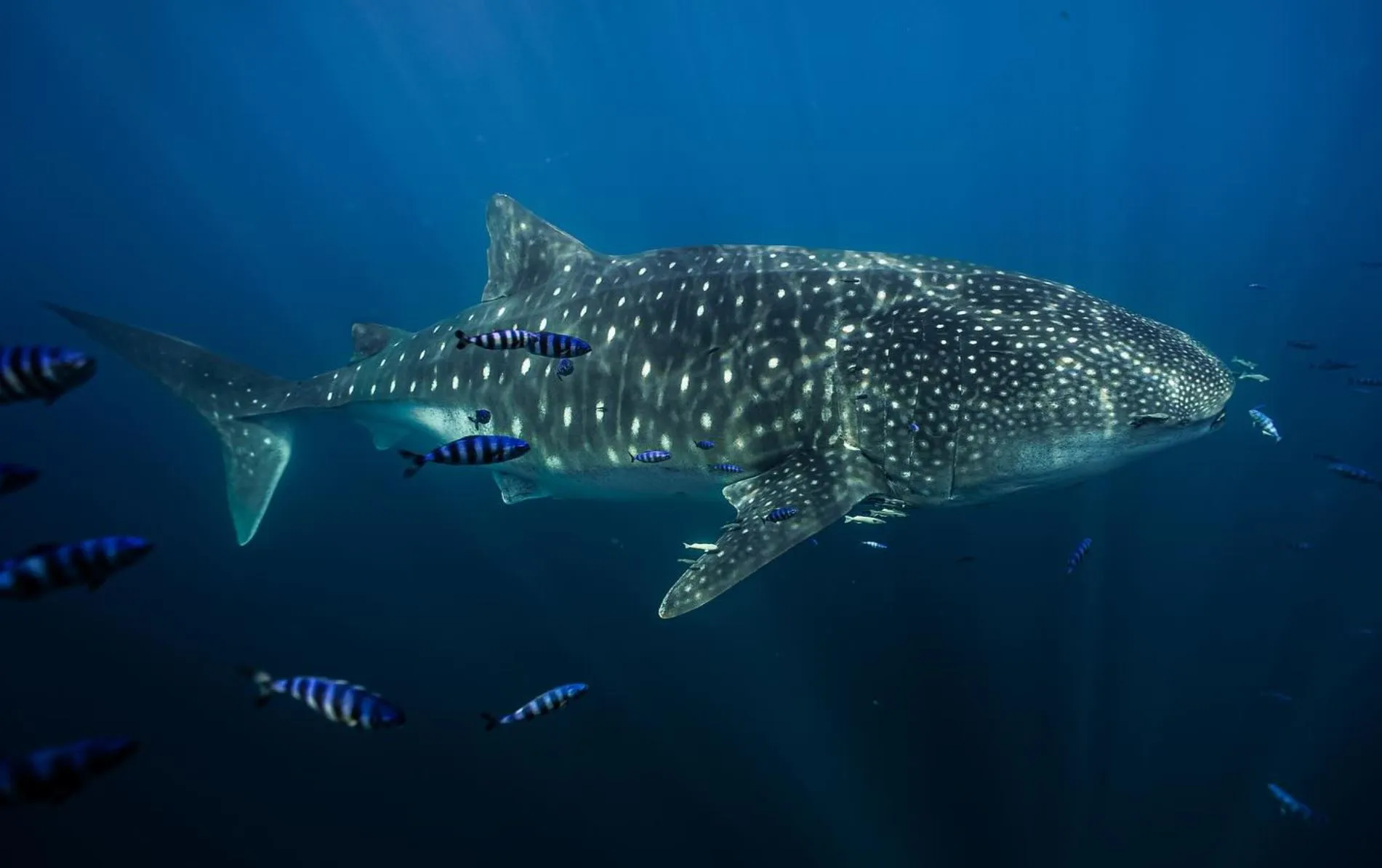
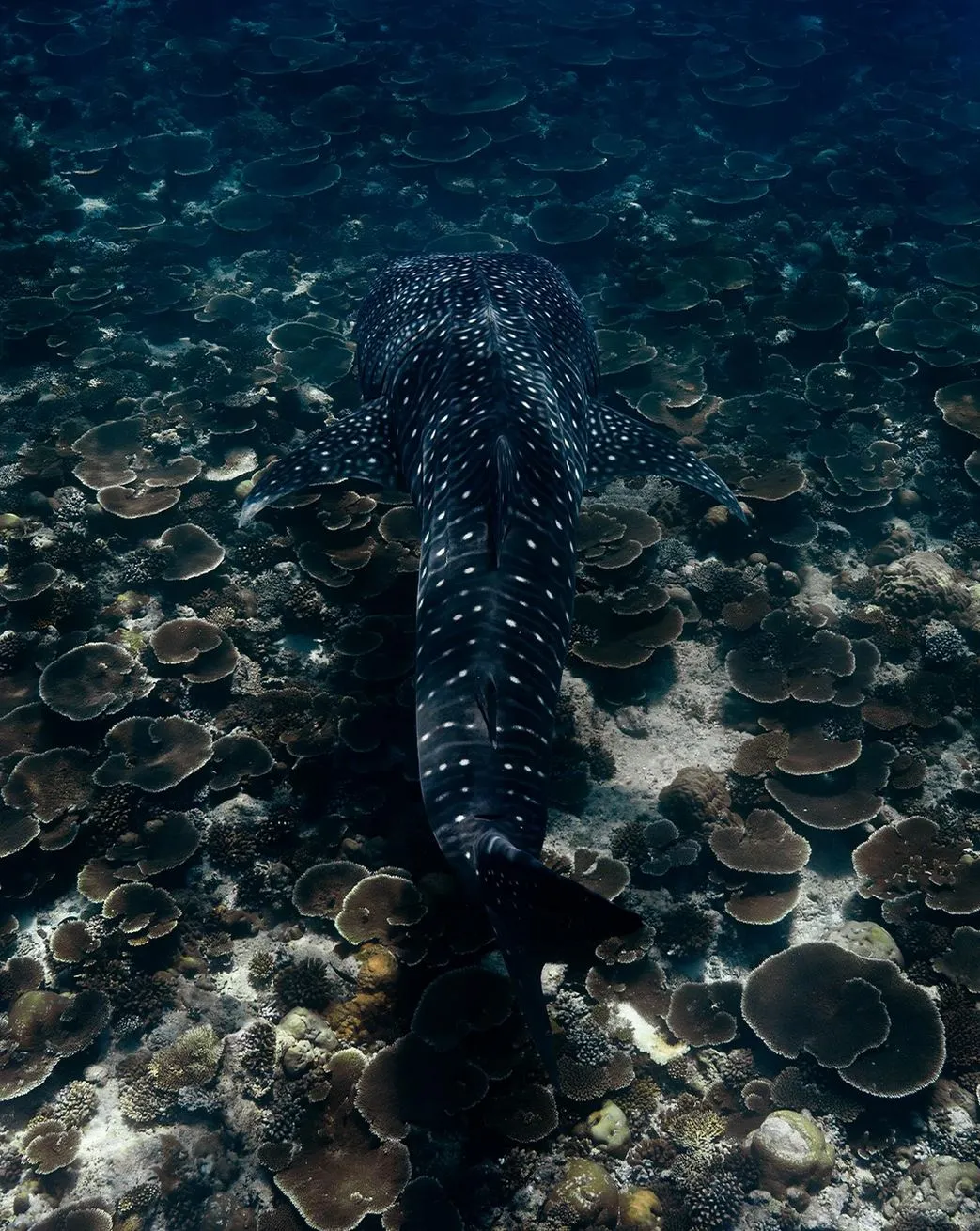
One of the biggest attractions of Ningaloo Reef is the whale shark migration. These gentle giants arrive between March and June, making it the whale shark season and the perfect time to snorkel with them. The water is warm and visibility is excellent, perfect for snorkelling and diving. This is also the time when hundreds of whale sharks make their way along the reef as part of their annual migration. Many Ningaloo Reef tours operate during this time offering unique opportunities to swim with these majestic creatures. Licensed operators ensure visitors can participate in whale shark tours using friendly methods to protect these big fish.

July to September: Humpback Whale Season

Humpback Whale Season

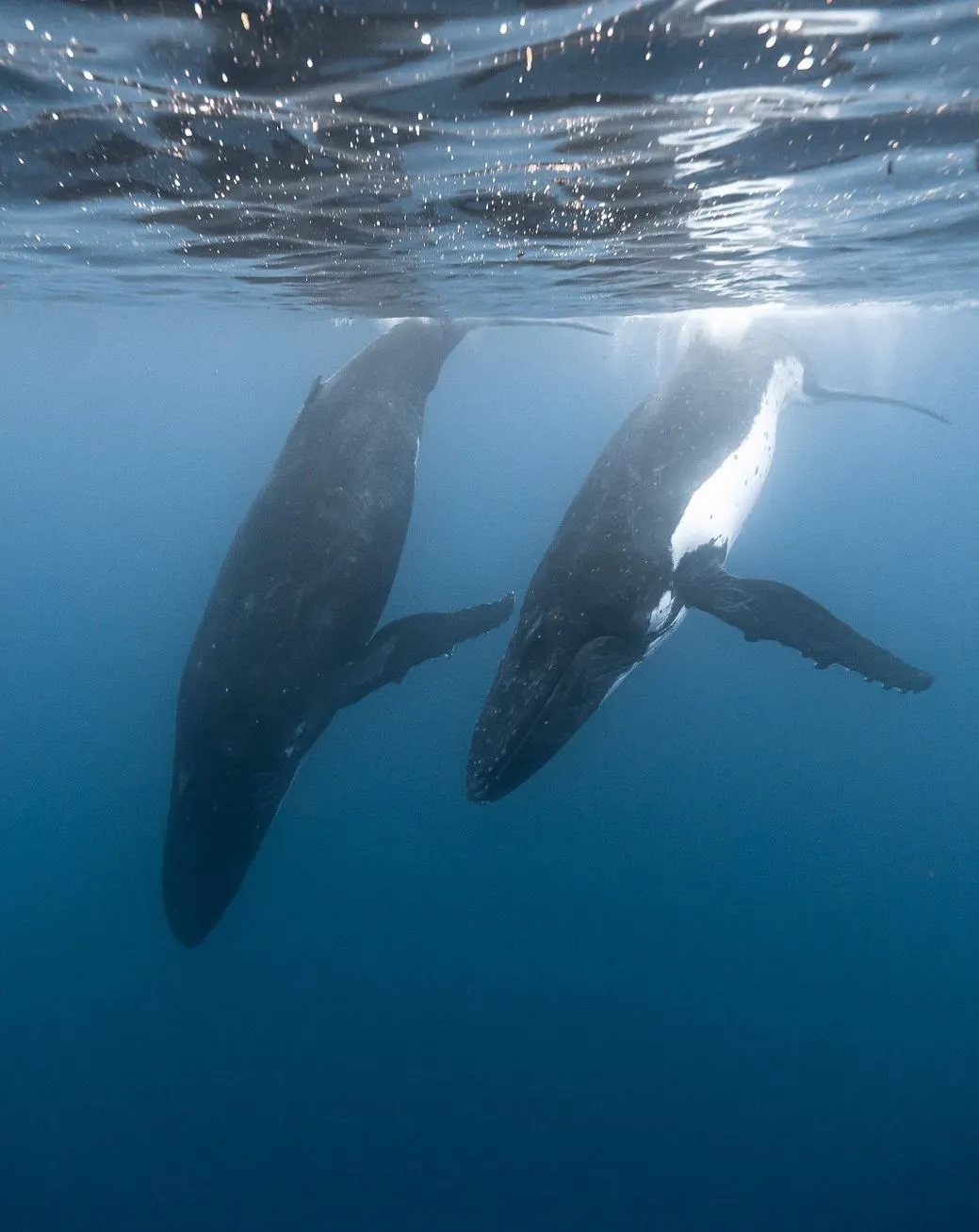
From July to September Ningaloo Reef welcomes humpback whales as they migrate along the coast. Many tour operators offer humpback whale swimming experiences allowing visitors to get up close with these incredible animals. The humpback whale season is one of the best times to visit as boat encounters are amazing. This is also a great time for manta ray encounters, marine turtle species (green turtles and loggerhead turtles) and exploring the colourful coral formations of the reef. Spotter planes help locate these playful mammals for an awesome experience.

Weather

Weather, Ningaloo Reef
  • March to May: Warm (30 degrees Celsius) and Dry.
  • June to August: Cool days (22-26 degrees Celsius) perfect for outdoor activities.
  • September: Warm waters and lots of marine life.
  • December to February: The hottest month is January (maximum 35 degrees Celsius).
  • June to August: Coldest months, great for snorkelling, hiking and seeing marine turtles.
  • Wet season (December to March): Higher humidity and occasional tropical storms but still good for surf and beach.

Other Months

Other Months, Ningaloo Reef
  • October to February: Hot and humid. Snorkelling and diving are still possible, but marine life is less predictable. Good time for coral spawning and beach camping and budget accommodation.
  • Cyclone season (December to March): Risk of tropical storms that can affect travel and visibility underwater. Good time for adventure tours, glass bottom boat tours and spot bonefish and other fish in shallow lagoon waters.

Verdict

If you want to swim with whale sharks, go from March to June. If you want to see humpback whales go July to September. April to September is the best time for marine mammal encounters, beaches and pristine waters. The cheapest accommodation is usually outside of Aussie school holidays. Book Ningaloo Reef tours in advance to secure during peak season.

By visiting at the right time you can maximise your chance to experience Ningaloo Reef’s natural habitat, beaches and adventure. Whether you’re diving with whale sharks, spotting humpback whales or just enjoying the waters, Ningaloo Reef is a bucket list destination. Ningaloo Reef Tours will just make your journey even better. We curate tours to the best spots for an amazing experience and awesome experiences.

FAQ

When is the best month to swim with whale sharks at Ningaloo Reef?

March to June is the best time to swim with gentle whale sharks as they migrate through the reef. Many whale shark tours are available with licensed operators using responsible tourism practices.

Can I see humpback whales at Ningaloo Reef?

Yes! Humpback whales are here from July to September and many tour operators offer whale watching. You may also see blue whales, marine mammals and reef sharks.

Is Ningaloo Reef worth visiting outside of peak season?

While the best marine animal encounters are from March to September, Ningaloo Reef is beautiful all year round. However, from October to February, it’s very hot, and some fish may be less active. It’s also the time of the swell, which can affect snorkelling conditions.

What’s the water temperature at Ningaloo Reef?

22 degrees Celsius (72°F) in winter and 28 degrees Celsius (82°F) in summer. Snorkelling and diving all year round in azure and blue water.

How far is Ningaloo Reef from Perth?

Ningaloo Reef is near Exmouth, 1,250 km (777 miles) north of Perth. You can fly to Learmonth Airport (1hr 45min) or drive (12-14 hours). Many people camp at beach holiday parks or stay at luxury beachfront resorts.

The Peaceful Path of the Lunggura Walk

The Lunggura Walk is a serene trek that offers tranquility, picturesque scenery, and a deep connection with nature. This article explores the peaceful journey of the Lunggura Walk, its highlights, and the benefits of this meditative hike. Whether you are an avid hiker or someone seeking solace away from the bustle of everyday life, the Lunggura Walk promises a remarkable experience.

The Serene Route of the Lunggura Trek

The Natural Beauty of Lunggura

Lunggura is renowned for its breathtaking landscapes and untouched beauty. The trail meanders through lush forests, verdant hills, and pristine freshwater streams. Hikers are often greeted by the sight of vibrant wildflowers and the soothing sound of chirping birds. This natural sanctuary is a haven for wildlife, including rare species of birds and butterflies, offering countless opportunities for nature photography.

Mindfulness and Meditation

The Calm Trail of the Lunggura Walk

One of the most unique aspects of the Lunggura Walk is its emphasis on mindfulness and meditation. As hikers tread gently along the path, they are encouraged to practice mindful walking, focusing on each step and the natural sounds around them. This practice not only enhances the hiker’s connection to nature but also promotes mental clarity and relaxation.

Key Benefits of Mindful Walking

    • Reduces stress and anxiety
    • Enhances mental clarity and focus
    • Improves physical health through gentle exercise
    • Fosters a deeper connection with nature

Preparing for the Lunggura Walk

Proper preparation is crucial to fully enjoy the Lunggura Walk. It is essential to wear comfortable hiking shoes and weather-appropriate clothing. Hikers should also carry a sufficient amount of water, healthy snacks, and a first-aid kit. A lightweight backpack can hold all these essentials without adding too much burden. Additionally, a good camera or smartphone is recommended to capture the exquisite scenery along the way.

Full view

Guided Tours vs. Solo Hikes

Whether to join a guided tour or go solo depends on personal preferences. Guided tours offer the advantage of an experienced guide who can share insights about the flora, fauna, and history of the region. On the other hand, a solo hike provides the freedom to set your pace and immerse yourself in the tranquility of your surroundings. Both options have their unique benefits, and the choice ultimately lies with the individual hiker.

Conclusion

The Lunggura Walk is more than just a hike; it is a journey towards peace and self-discovery. Its serene landscapes, emphasis on mindfulness, and the opportunity for personal reflection make it a perfect escape from the chaos of modern life. Whether you choose to walk alone or with a guide, the Lunggura Walk promises an unforgettable experience filled with natural beauty and inner tranquility.

FAQ

1. How long does the Lunggura Walk take to complete?

The duration of the Lunggura Walk can vary depending on the trail chosen and the pace of the hiker. On average, it takes about 3 to 5 hours to complete.

2. Is the Lunggura Walk suitable for beginners?

Yes, the Lunggura Walk is suitable for beginners. The trails are well-maintained and offer varying levels of difficulty to accommodate all hiking skill levels.

3. What is the best time of year to visit Lunggura?

The best time to visit Lunggura is during the spring and autumn months when the weather is mild, and the scenery is at its most vibrant. However, each season offers its own unique beauty and charm.

4. Are there any accommodation options near Lunggura?

Yes, there are several accommodation options near Lunggura, ranging from cozy guesthouses to more luxurious lodges. It is advisable to book in advance, especially during peak seasons.

5. Can I bring my pet on the Lunggura Walk?

Pets are usually allowed on the Lunggura Walk but must be kept on a leash to protect the wildlife and other hikers. It is always best to check with local authorities or the trail management before bringing a pet.

Discovering the Watiku Rockhole: A Historical Site

The Watiku Rockhole is an ancient site that holds a significant place in both the cultural and natural history of the region. Dating back centuries, this rockhole has served as a vital water source for indigenous communities and wildlife alike. The site’s historical relevance is further enriched by its archaeological finds, including ancient tools and rock engravings, shedding light on early human life and activities in the area.

Moreover, this rockhole is a testament to the sophisticated methods used by ancient communities to manage and conserve water resources. These methods reflect a deep understanding of the environment and a symbiotic relationship with nature. The unique geology and hydrology of the rockhole have also attracted researchers and historians from around the world, further emphasizing its importance as a historical site.

Uncovering the Heritage of Watiku Rockhole

Visitors to the Watiku Rockhole can explore numerous artifacts and features that offer a glimpse into the daily lives of the region’s early inhabitants. Guided tours provide detailed explanations of the site’s history, making it an educational as well as a profoundly moving experience. The serenity of the rockhole, coupled with its rich past, makes it a must-visit destination for history enthusiasts and nature lovers alike.

Geological Marvels and Natural Beauty

The Watiku Rockhole is not just a historical site but also a geological wonder. The rock formations around the rockhole are a spectacular display of nature’s artistry, having been shaped over thousands of years by wind and water erosion. These formations provide critical insights into the region’s geological history, revealing layers of sediment that date back millions of years.

The Historical Journey Through Watiku Rockhole

One of the most striking features of the Watiku Rockhole is its coloration. The minerals in the surrounding rocks lend the rockhole vibrant hues of red, orange, and yellow, creating a stunning visual contrast against the blue water. This colorful spectacle is a favorite subject for photographers and artists, who are often found capturing the beauty of the site.

The natural beauty of the Watiku Rockhole is complemented by the diverse flora and fauna that thrive in its vicinity. The area is home to several unique species of plants and animals, some of which are endemic to the region. For nature enthusiasts, a visit to the rockhole is an opportunity to witness this biodiversity firsthand and to appreciate the environmental significance of such natural sites.

Activities and Tours

Exploring the Watiku Rockhole offers a variety of activities that cater to different interests. Guided tours are one of the most popular options, providing an in-depth look at the site’s history, geology, and ecology. Knowledgeable guides share fascinating stories and facts, making the experience both educational and engaging.

A Historical Exploration of Watiku Rockhole

For those interested in outdoor adventures, the rockhole is an excellent spot for hiking and birdwatching. There are well-marked trails that allow visitors to explore the surrounding landscape and enjoy the natural beauty of the area. Birdwatchers can spot a wide range of bird species, making it a rewarding experience for amateur and professional ornithologists alike.

In addition to these activities, the rockhole is a perfect place for photography. The picturesque scenery, combined with the changing light throughout the day, offers endless opportunities for capturing stunning images. Whether you are a seasoned photographer or just enjoy taking snapshots, the Watiku Rockhole is sure to provide you with memorable photographs.

Conservation Efforts

The Watiku Rockhole is a protected site, and several conservation efforts are in place to preserve its historical and natural value. Conservationists and local authorities work together to ensure that the area remains untouched by modern development and human interference. These efforts include regular maintenance, monitoring of wildlife, and educational programs to promote awareness about the importance of conservation.

One of the key aspects of the conservation strategy is the involvement of indigenous communities. These communities have a deep connection to the rockhole and possess traditional knowledge about its care and management. By integrating this knowledge into modern conservation practices, authorities have been able to create a sustainable model that benefits both the site and the local population.

Best Things to do in Northern Territory - Australia 2024

Visitors to the Watiku Rockhole are encouraged to respect the site and adhere to guidelines designed to minimize their impact. Simple actions, such as staying on designated paths and not disturbing wildlife, can go a long way in preserving the site’s integrity. Through collective efforts, the Watiku Rockhole can continue to be a source of historical and natural wonder for future generations.

Visiting the Watiku Rockhole

If you are planning a visit to the Watiku Rockhole, there are a few things to keep in mind to ensure a safe and enjoyable experience. The best time to visit is during the cooler months, when the weather is favorable for outdoor activities. It is advisable to wear comfortable clothing and sturdy footwear, as the terrain can be uneven.

Before you go, it is essential to check for any travel advisories or restrictions. Given the protected status of the site, access may be limited during certain times of the year to protect wildlife and natural resources. Booking a guided tour in advance is a good idea, as it ensures you have a knowledgeable guide who can enhance your understanding of the site.

Lastly, make sure to bring plenty of water, sunscreen, and a hat to protect yourself from the sun. Despite its cooler climate during certain seasons, the area can still experience intense sunlight. By being prepared, you can fully enjoy the beauty and history of the Watiku Rockhole while respecting its natural and cultural heritage.

Conclusion

The Watiku Rockhole is more than just a geographical feature; it is a repository of history, culture, and natural beauty. From its archaeological significance to its incredible geological formations, the rockhole offers a rich experience for all who visit. Conservation efforts ensure that this heritage site remains pristine, inviting each generation to discover its wonders anew. Whether you are passionate about history, geology, or simply the beauty of nature, a visit to the Watiku Rockhole promises to be an unforgettable journey into the past and present.

FAQs

What is the historical significance of the Watiku Rockhole?

The Watiku Rockhole holds archaeological importance for its ancient tools and rock engravings, providing insight into early human life and activities in the region.

Can I visit the Watiku Rockhole year-round?

Visitation is affected by seasonal weather and conservation measures. It is advisable to check for any restrictions or advisories before planning your trip.

What activities can I enjoy at the Watiku Rockhole?

Visitors can engage in guided tours, hiking, birdwatching, and photography. There are well-marked trails and ample opportunities to enjoy the scenic and historical aspects of the site.

How are conservation efforts implemented at the rockhole?

Conservation efforts include collaboration with local authorities and indigenous communities to preserve the site’s historical and natural value. These include regular maintenance and educational programs to promote awareness.

What should I bring for my visit to the Watiku Rockhole?

It is important to bring water, sunscreen, a hat, and comfortable clothing and footwear. Checking travel advisories and booking guided tours in advance is also recommended.

Discovering the Hidden Miti Rockholes: A Guide

Nestled in the remote regions of the Australian Outback, the Miti Rockholes are a stunning natural attraction that offers a blend of history, culture, and breathtaking scenery. This guide aims to answer all your questions about visiting these hidden gems, providing detailed insights into their significance and how you can explore them.

Unveiling the Miti Rockholes: A Comprehensive Exploration

The History of Miti Rockholes

The Miti Rockholes have a rich history steeped in indigenous culture. These rockholes were not just sources of water in arid terrains but were also sacred sites for the local Aboriginal communities. The Rockholes are believed to have been formed over millions of years due to natural erosive processes. These unique formations are often linked with the Dreamtime stories, making them significant cultural landmarks.

Over time, early explorers and settlers recognized the importance of these rockholes and documented their existence. Today, the Miti Rockholes are protected as cultural heritage sites, ensuring that their historical and cultural importance is preserved for future generations to appreciate.

How to Access Miti Rockholes

Full view

Getting to the Miti Rockholes can be an adventure in itself. The remote location means that access is limited to off-road vehicles. Make sure to prepare adequately: bring sufficient supplies like water, food, and spare tires. The nearest town offering accommodations is several hours away, so planning your trip in advance is crucial.

GPS coordinates can be extremely useful for navigating the rugged terrain. It is also recommended to check in with local authorities or a visitor center before embarking on the journey to ensure that the roads and tracks are passable. Travel during the cooler months to avoid the extreme temperatures of the Outback.

Exploring the Rockholes

Once you arrive, the Miti Rockholes unveil their mesmerizing beauty. The clear, deep pools contrast strikingly against the red, rocky landscape. Swimming in the rockholes can be a refreshing experience, especially after a long drive through the desert. However, always check the depth and safety conditions before diving in.

The rockholes are surrounded by unique flora and fauna, adding to their allure. Birdwatchers and nature enthusiasts will find this an ideal spot for observing some of Australia’s rare and endemic species. Always follow the guidelines for interacting with wildlife to preserve the natural habitat.

Uncovering the Miti Rockholes: Your Ultimate Guide

Activities Around Miti Rockholes

Beyond swimming and wildlife watching, the area surrounding the Miti Rockholes offers numerous activities for avid explorers. Here are some activities to consider:

  • Photography: Capture the striking landscapes and the serenity of the rockholes.
  • Hiking: Several trails around the rockholes provide an excellent way to explore the surrounding area.
  • Cultural Tours: Engage with local guides to learn about the indigenous history and significance of the rockholes.

These activities not only enrich the experience but also offer a deeper appreciation of the area’s natural and cultural heritage.

Preservation and Respect

It is crucial to approach your visit to the Miti Rockholes with a mindset of preservation and respect. These sites are of immense cultural significance to the indigenous populations, and visitors should always be mindful of their actions. Avoid littering and adhere to designated paths to minimize your environmental impact.

A Guide to Discovering the Enigmatic Miti Rockholes

Additionally, many of these areas are protected, and certain activities might require permits. Ensure you are informed about any restrictions or regulations before your visit. By respecting these guidelines, you contribute to the conservation efforts and ensure that the Miti Rockholes remain pristine for future generations.

Conclusion

Discovering the Miti Rockholes is an unforgettable journey into the heart of Australia’s natural beauty and cultural heritage. From their ancient formation and historical significance to the practicalities of visiting, this guide offers comprehensive insights to help you plan your adventure. Remember always to travel responsibly, respecting both the environment and the cultural significance of these magnificent rockholes.

FAQs

1. Are the Miti Rockholes accessible year-round?

No, the best time to visit is during the cooler months to avoid the extreme heat of the Australian Outback. Ensure to check local conditions before your trip.

2. Is there an entry fee to visit the Miti Rockholes?

While there may not be a specific entry fee, some areas surrounding the rockholes might require permits. It’s advisable to check with local authorities for any applicable fees or regulations.

3. Can I camp near the Miti Rockholes?

Camping is generally restricted to designated areas. Ensure to follow local guidelines and obtain any necessary permits for camping.

4. What should I pack for a trip to the Miti Rockholes?

Essential items include ample water, food, sun protection, a first-aid kit, spare tires, and a reliable GPS. Always be prepared for the remote and rugged conditions.

5. Are there guided tours available?

Yes, guided tours led by local experts are available and provide valuable cultural context. Booking a tour in advance is recommended for a richer experience.

Camping at Kaltukatjara Campground: What to Expect

Camping at Kaltukatjara Campground offers an immersive outdoor experience, providing campers with picturesque views, local wildlife, and a serene atmosphere. Located in Australia’s Northern Territory, this campground affords visitors a unique opportunity to connect with nature while enjoying comfortable camping amenities. Here’s what you need to know before heading out on your camping adventure at Kaltukatjara.

What to Expect When Camping at Kaltukatjara Campground

Location and Access

Kaltukatjara Campground is situated near the Docker River community, which is about 10 kilometers away. The campsite is easily accessible via well-maintained roads, making it suitable for both 4WD and 2WD vehicles. Given its remote location, it’s advisable to stock up on supplies in Yulara or Alice Springs before making the journey. The drive to the campground allows travelers to witness the captivating landscape of the Australian Outback, enhancing the overall experience.

Facilities and Amenities

Kaltukatjara Campground: Camping Experience Overview

The campground is equipped with several essential facilities to ensure a comfortable stay:

    • Clean restrooms and shower blocks with potable water
    • Designated camping spots with fire pits
    • Picnic tables and seating areas
    • Waste disposal units

Although the amenities are basic, they are well-maintained and offer everything you need for a pleasant camping trip. Campers should note that there’s no electricity available, so it’s important to bring a portable power source if necessary.

Activities and Attractions

Kaltukatjara Campground serves as a perfect base for several outdoor activities and attractions. Hiking enthusiasts can explore nearby trails that provide breathtaking views of the Kata Tjuta rock formations. For those who enjoy stargazing, the clear night skies away from the city lights present a magnificent canvas of stars. Wildlife lovers will also appreciate the chance to see native animals such as kangaroos, emus, and various bird species in their natural habitat. Remember to bring a camera to capture the beautiful landscapes and moments.

Preparing for Your Stay at Kaltukatjara Campground

Local Culture and Heritage

One of the unique aspects of camping at Kaltukatjara is the opportunity to learn about the rich cultural heritage of the area. The campground is located on the land of the Pitjantjatjara people, and visitors are encouraged to respect the sacred sites and traditions of the local community. There are opportunities to engage with Indigenous guides who can provide insight into the historical significance and stories of the land, adding depth and meaning to your camping experience.

Preparation and Safety Tips

Expectations for Camping at Kaltukatjara Campground

Proper preparation is key to a successful camping trip at Kaltukatjara. Ensure you pack the following items:

  • Enough food and water for the duration of your stay
  • First aid kit and essential emergency supplies
  • Weather-appropriate clothing and sleeping gear
  • A detailed map and navigation tools

Safety is paramount, especially in such remote locations. Always inform someone of your travel plans, and check the weather forecast in advance. It’s also advisable to carry a satellite phone or other communication device in case of an emergency, as mobile phone reception can be unreliable.

Conclusion

Camping at Kaltukatjara Campground offers a rare opportunity to experience the beauty of the Australian Outback in a serene and culturally significant setting. With a range of facilities, activities, and cultural insights, it promises an enriching outdoor adventure for all types of campers. Whether you are a seasoned outdoorsman or a novice camper, a trip to Kaltukatjara is sure to leave you with unforgettable memories and a deeper appreciation for nature and Indigenous Australian culture.

FAQs

What is the best time to camp at Kaltukatjara Campground?

The best time to camp at Kaltukatjara Campground is during the cooler months from April to September. The weather is more temperate, making outdoor activities more enjoyable.

Do I need a permit to camp at Kaltukatjara?

No, you do not need a permit to camp at Kaltukatjara Campground. However, it’s always a good idea to check for any local restrictions or requirements before your trip.

Can I bring my pet to the campground?

Pets are generally not allowed at Kaltukatjara Campground to protect the local wildlife and preserve the natural environment. It’s best to leave your pets at home or find a pet-friendly alternative.

Are there any fees for staying at the campground?

As of the latest update, there are no fees required to camp at Kaltukatjara Campground. However, it’s advisable to confirm this information with local authorities or the national park services before your visit.

Is there mobile phone reception at the campground?

Mobile phone reception is generally poor at Kaltukatjara Campground. It’s important to plan accordingly and bring alternative communication devices such as a satellite phone, especially for emergencies.